The post How luxury homes use staging to command premium prices appeared first on Classy AF Interiors.
]]>Staging at the luxury level is a completely different discipline from staging a mid-range home. The buyer is more sophisticated, the visual bar is higher, and the margin for error is smaller. Someone shopping at $5M or $7M in Orange County has already toured dozens of upscale estates online. They know what polished looks like, and they notice immediately when something falls short. That first impression, in listing photos, in virtual tours, in the opening sequence of a showing, is where premium pricing is either earned or lost.
At Classy AF Interiors, this is the work we specialize in every day. We’ve built our studio around the Orange County market because we understand what luxury buyers in this corridor respond to, and we know how to deliver that level of presentation without the white-glove overhead that usually comes attached to it.
Why staging luxury homes hits different at the $5M+ level
Luxury buyers are not immune to emotion. In our experience working with high-end sellers across Orange County, aspirational feelings drive purchase decisions even at the highest price points. When someone walks into a $7M listing, they aren’t just calculating price per square foot. They’re deciding, within the first few seconds, whether they can see their life happening there. That decision is emotional before it’s rational.
The psychology behind premium pricing
Staging creates the aspirational narrative that luxury buyers are paying for. At this price point, buyers expect to feel something the moment they enter: that the home is already living at their level. Curated environments signal status and exclusivity in ways that empty rooms or generic furniture simply cannot. A poorly staged luxury residence doesn’t just leave perceived value neutral, it actively erodes it. When a home at this price point doesn’t feel the part, buyers start asking what else might be off.
How online listings shape luxury buyer behavior before the first showing
Even the most sophisticated luxury home searches start online. With roughly 9,500+ high-end homes for sale in the LA metro and a median luxury list price around $9.175M (Compass, Q1 2026), buyers are filtering aggressively before they ever book a showing. Listing photos and virtual tours are the first gate. Staging, at its core, is a photography strategy. If the images don’t create desire, the showing never happens, and no amount of square footage or premium finishes gets the chance to close the deal.
Design strategies for staging luxury homes
There’s a meaningful difference between a staged luxury residence and a luxury home that just has nice furniture in it. The former is deliberate in every decision. The latter often feels expensive but not cohesive. The design strategies that define elite listing presentation operate in distinct layers, each doing specific work.
Scale, proportion, and curated furniture selection
Generous square footage is a selling point, until furniture makes it feel awkward. Standard-sized pieces in a large room read as undersized and cheap, no matter how well-made they are. Great staging uses properly scaled furniture, intentional negative space, and edited selections that make rooms feel deliberately designed rather than filled. Every piece earns its place, and anything that doesn’t contribute to the story gets removed.
Neutral palettes layered with texture and material depth
The neutral palette isn’t boring; it’s strategic. Luxury staging uses tonal layering through materials like linen, bouclé, marble, and brushed metal to create richness without color overwhelm. Buyers need to project their own lives onto a space, and a quiet, sophisticated palette lets them do exactly that. The texture does the visual work; the neutrality keeps the door open.
Staging for lifestyle aspiration, not just visual appeal
The best luxury house listings sell a version of life, not just a floor plan. Staging a library nook, a wine display, a spa-like primary bath, these vignettes communicate what the listing price makes possible. Top stagers think in terms of “what story does this room tell?” rather than “how do I fill this space?” When each room answers that question clearly, the whole property feels like a destination rather than a transaction.
Staging beyond the interior: amenities that photograph like money
Premium property listings are not won or lost in the living room alone. Outdoor spaces, technology features, and privacy infrastructure all require the same staging attention as the interiors. In Orange County and Los Angeles, where outdoor living is a year-round reality, this is especially true.
Pool, spa, and outdoor entertaining presentation
A pool deck staged with the right furniture arrangement, the right throw, and the right lighting doesn’t just show a pool. It sells a weekend. Sparkling-clean water, minimal but upscale poolside furniture, fresh towels, and zero visible maintenance equipment transform a backyard into a resort-like experience. Creating distinct zones for lounging, dining, and poolside relaxation helps buyers instantly understand how the space functions, which is exactly what photography needs to communicate.
How smart-home features get presented to luxury buyers
Smart-home systems are now expected in premium homes, but they can feel intimidating if not staged correctly. The goal is to make technology feel effortless and intuitive rather than complicated or clinical. Clean control panels, minimal visible hardware, and a focus on what the technology enables, ambient lighting, seamless climate control, integrated audio, keep the home feeling luxurious rather than like a showroom floor demo.
Framing views, privacy, and the outdoor-to-indoor connection
Panoramic views and privacy screening are major luxury signals in Southern California, and staging decisions either amplify or undercut them. Furniture placement that draws the eye toward a view, window treatments that open rather than block sightlines, and doors staged open to connect interior and exterior spaces, these choices compound in photography. The result is a listing that feels both expansive and intimate, which is exactly what upscale estate buyers are looking for.
What the Southern California luxury market demands right now
Southern California ranks among the most competitive luxury real estate corridors in the country, based on inventory depth and median price thresholds that consistently outpace most U.S. markets. Orange County’s luxury segment, homes priced above $2.5M, carries approximately 1,047 active listings in 2026, with a median luxury sale price around $3.2 million (OC MLS, 2026). In the LA metro, the top 10% of listings started at $4.255M in early 2026 (CoreLogic, March 2026). In a market this dense, a premium home that isn’t staged to the expected standard doesn’t just sell for less, it sits longer, and a long time on market signals to sophisticated buyers that something is wrong.
The price gap between staged and unstaged luxury listings
The ROI conversation looks very different at the luxury price point. Staged luxury homes in 2026 are selling for roughly 5%, 10% more than unstaged equivalents, with some markets seeing lift as high as 12%, 15% (National Association of Realtors, 2026 staging impact report). On a $3M property, even a conservative 5% staging premium translates to $150,000 in additional proceeds, a figure that makes the cost of high-quality staging look like a rounding error. Days on market tell an equally clear story: staged homes are selling roughly 50%, 73% faster than their unstaged counterparts, which reduces carrying costs and eliminates the stale-listing discount that price cuts require.
What buyers in this price range actually expect to walk into
Luxury buyers in Southern California have already seen dozens of listings online before they request a showing. Their visual bar is calibrated to the best of what the market has to offer. “Show-ready” at the $3M+ level in Orange County means spa-quality primary baths, hotel-crisp bedding, a kitchen that reads as both high-function and beautiful, and outdoor spaces that look like they belong in a shelter magazine. Anything below that standard doesn’t read as neutral, it reads as a red flag.
How Classy AF Interiors brings luxury-level staging to OC sellers
Classy AF Interiors has solved a genuinely difficult problem in the SoCal market: delivering the elevated aesthetic that luxury listings demand at a price point that doesn’t require a trophy-property budget to access. For Orange County sellers preparing to list, this is the practical answer to everything covered above.
Elevated staging without the white-glove price tag
Our “Ballin’ on a Budget” philosophy is built on one core conviction: high-end results don’t require high-end overhead. We source, style, and install at a quality level that serves sellers competing across the OC luxury market, while keeping our services accessible to a wider range of price points. The furniture is scaled correctly, the palettes are sophisticated, and the vignettes are built to photograph. Buyers won’t see budget. They’ll see intention.
Full-service design and staging under one roof
Separating staging from interior design often creates gaps in the vision and friction in the process. Classy AF Interiors handles both interior design and home staging, which means one point of contact, one cohesive aesthetic, and a staging presentation that reflects a fully considered design strategy. From the initial consultation through furniture selection, installation, and listing day, the process runs clean and on schedule.
The next step for OC sellers who want premium results
We offer a free consultation to sellers preparing to list in Orange County and across the Southern California corridor. That conversation is where the strategy starts, where we assess the property, identify the highest-impact opportunities, and outline exactly what it would take to get the listing to the level the market demands. Low risk, high upside, the same formula that defines good staging itself. Reach out to our team to get that conversation started.
The bottom line on staging luxury homes
Staged luxury homes in Southern California don’t command premium prices by chance. The listings that sell fast and at or above ask are the ones where someone made deliberate decisions about how the space would look, feel, and photograph before any buyer ever arrived. That work is strategic and measurable, and it starts well before the listing goes live.
For sellers in Orange County and across the SoCal corridor, the question isn’t whether to stage. It’s whether your staging is operating at the level your listing price demands. In the $3M, $7M range, the gap between a presentation that earns its price and one that doesn’t is visible in the photos, felt in the showing, and reflected in the final sale number.
If you’re ready to see what your home looks like at its absolute best, that’s exactly what Classy AF Interiors was built for. The free consultation is where it starts, get in touch with our team and let’s build the presentation your listing deserves.
The post How luxury homes use staging to command premium prices appeared first on Classy AF Interiors.
]]>The post How professional staging drives real estate results appeared first on Classy AF Interiors.
]]>Professional staging and interior design aren’t decorating upgrades for sellers with extra budget. They’re strategic tools that change buyer behavior, shorten time on market, and directly influence the number on the final contract. Classy AF Interiors was built around this exact idea: bridging the gap between how a home looks when you live in it and how it needs to look when you sell it. By the end of this article, you’ll understand exactly how design and staging intersect with residential real estate success, and what to do about it before your listing goes live.
Why first impressions now happen before the front door
According to the National Association of Realtors, 93% of recent buyers use the internet at some point during their home search, and 87% of buyers rate listing photos as the most useful feature on a real estate website. That means the listing photo isn’t a supplement to the showing. For many buyers, those listing photos function as the first showing. Homes that photograph poorly get filtered out in seconds, not because the property lacks value, but because the visual presentation didn’t earn a second click.
Staging and design work specifically changes what the camera captures: proportion, light, flow, and the feeling of a space that’s ready to be lived in. A cluttered room reads as small. An empty room reads as cold and echo-prone. A professionally staged room reads as aspirational, and that emotional response is what converts a scroll into a showing request.
Buyers don’t consciously think “this home is staged well.” They think “I can picture my life here.” Staging professionals consistently attribute this response to intentional furniture placement, curated accessories, and a neutral palette that feels warm without feeling personal. Professional presentation removes distraction and allows the buyer to project themselves into the space. This psychological shift is exactly what leads to serious offers in a competitive real estate market.
What the data shows about staging and days on market in the real estate market
NAR findings on staging speed
The research on this is consistent and striking. NAR-cited staging research shows that professionally staged homes received offers within 26 days after being listed, while the same homes had previously sat an average of 166 days before staging. Additional NAR-cited data shows 94% of staged homes selling in 29 days or less, compared to 145 days for non-staged homes. That isn’t a marginal improvement. It’s a category shift in how quickly a home moves.
Days on market impact on seller outcomes
In competitive residential real estate markets, that speed advantage compounds. Fewer days on market means fewer price reductions, less negotiating pressure from buyers who sense a seller growing anxious, and cleaner closings with less friction. Every additional week a home sits on the market costs the seller money in carrying costs, mortgage payments, and lost leverage at the negotiating table.
There’s also a stigma problem that sellers often underestimate. A listing that lingers can develop a negative reputation in the local market. Buyers start asking what’s wrong with it. Price reductions signal desperation. Staging isn’t just about aesthetics; it’s a risk-management tool that protects the seller’s timeline and negotiating position from the moment the listing goes live.
How professional presentation affects your real estate sale price
Industry research consistently shows that staged homes sell for 1% to 5% more than comparable unstaged homes. On a $600,000 home, that’s $6,000 to $30,000 in additional sale proceeds, often returned on a staging investment that costs a fraction of that amount. In Southern California’s competitive housing market, where comparable homes frequently sell within days of each other, presentation becomes a meaningful differentiator at the offer table.
The reason buyers pay more for staged homes comes down to perceived effort and move-in readiness. A buyer standing in a beautifully presented home isn’t just reacting to the furniture. They’re mentally calculating how much work they won’t have to do after closing. Homes that feel curated and complete trigger a willingness to pay a premium because the buyer perceives lower friction ahead. Professional staging communicates that the seller has taken care of the property, which directly increases buyer confidence and offer strength.
For context, professional staging in Orange County typically runs $500 to $2,500 for occupied homes and $2,500 to $7,500 or more for vacant properties. Against a potential five-figure return on sale price, that investment calculus is straightforward for most sellers in the Southern California real estate market.
Interior design and home staging are not the same service
This distinction matters because sellers often confuse the two, or assume one replaces the other. Interior design is about creating a living environment tailored to the occupant: selecting furniture, finishes, lighting, and layout for long-term livability. Home staging is about preparing a property for sale by appealing to the broadest possible buyer pool, often depersonalizing the space and selecting pieces that photograph well and read as aspirational. The goals overlap in some areas, but the strategies are different.
A home that’s beautifully designed for the seller’s personal taste may still need strategic staging to translate for buyers who have different preferences. The seller’s carefully curated gallery wall and bold accent colors might feel authentic and lived-in. To a buyer trying to visualize their own life in the space, those same choices can feel like obstacles. Staging neutralizes those barriers without requiring the seller to gut the design work they love.
Sellers who are still living in the home often need a hybrid approach: refreshing the interior design where it’s dated or overly personal, then staging key rooms to create that buyer-ready feel. Vacant homes frequently benefit from full staging to avoid feeling cold and lifeless in listing photos, a pattern that NAR-cited research and staging professionals consistently support. Investment properties and real estate flips benefit from fast, cost-effective design decisions that signal quality without overspending. Knowing which service applies to your situation is the first decision to make, and it’s one a qualified professional can answer in a single walkthrough.
Why a full-service studio gives sellers a measurable edge
When sellers hire an interior designer and a stager separately, they risk conflicting recommendations, scheduling gaps, and a fragmented process that adds time to an already compressed listing timeline. The design team selects finishes the stager has to work around, the stager brings furniture that fights the existing aesthetic, and the result is a home that feels assembled rather than intentional, a disconnect buyers pick up on faster than sellers expect.
Classy AF Interiors was built specifically to address this challenge. As a full-service interior design and home staging studio serving Southern California from Los Angeles to Palm Springs, the studio handles both sides of the equation: designing spaces that work for the sellers living there now and staging them strategically for the buyers who need to see themselves living there next. This single-partner approach aims to deliver a consistent aesthetic, a tighter timeline, and a presentation strategy aligned with the real estate sale goal from listing to closing.
For sellers in Orange County and the surrounding markets, having one trusted studio coordinate both functions removes a significant layer of stress from an already complex process. No vendor handoffs, no conflicting recommendations, and no gaps in the visual story the home tells from the first listing photo to the final walkthrough.
The highest-ROI pre-listing moves before you go live
You don’t need a full renovation to present a home well. NAR-cited research and Southern California real estate market data consistently point to the same categories of high-return pre-listing work: exterior curb appeal, light kitchen and bathroom refreshes, neutral interior paint, flooring touch-ups, and professional staging. These aren’t gut-renovation projects. They’re targeted, visible improvements that change how a home photographs and how buyers feel when they walk in.
The specific upgrades that return the most in the Southern California market include:
- Neutral interior paint, which is one of the most cost-effective ways to make a home feel move-in ready and photograph cleanly
- Flooring repairs and refinishing, which show up clearly in listing photos and in person
- Minor kitchen updates such as cabinet hardware, backsplash, and faucet replacements
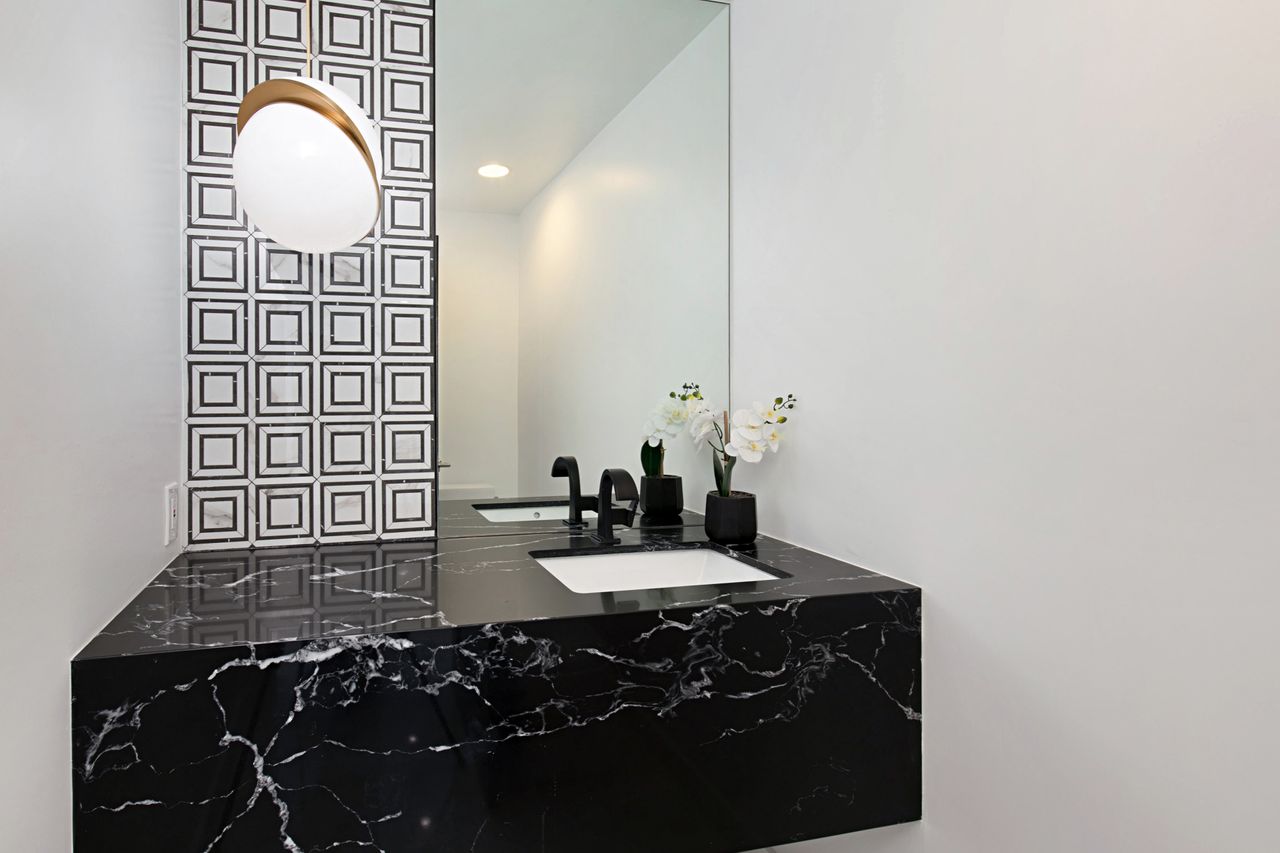
- Bathroom refreshes covering fixtures, mirrors, caulk, and vanity updates
- Professional staging that declutters, depersonalizes, and creates aspirational room compositions
Classy AF Interiors operates with a “Ballin’ on a Budget” philosophy: delivering high-impact, photo-ready presentation without requiring sellers to overspend on changes that won’t return value at closing. The studio’s pre-listing process starts by identifying the high-impact areas first, the spaces that drive buyer decisions, and separating them from the rooms where investment won’t move the needle. That assessment shapes the scope, the budget, and the timeline so nothing is wasted before the listing goes live.
Start here before your listing goes live
The biggest mistake sellers make is assuming they already know which rooms need work. Assumptions lead to money spent in the wrong places and corners cut in the areas that actually matter to buyers. A professional pre-listing walkthrough changes that. It identifies exactly where the presentation gaps are and gives sellers a prioritized plan they can execute on budget and on schedule.
The residential real estate market rewards sellers who get the presentation right before launch, not after a listing stalls. Whether you’re preparing a family home in Orange County, staging an investment property in Los Angeles, or getting a vacation property in Palm Springs ready to sell, the approach is the same: presentation first, listing second. Classy AF Interiors brings design expertise and staging strategy under one roof so sellers walk into the real estate market with every advantage working in their favor.
A free consultation is the fastest way to find out exactly where your dollars will do the most work before your listing goes live. Reach out to the team to schedule yours, and go to market with a presentation that’s built to perform from day one.
The post How professional staging drives real estate results appeared first on Classy AF Interiors.
]]>The post Newport Beach Home Staging: What Sellers Need to Know appeared first on Classy AF Interiors.
]]>Staging a listing here isn’t about making a space look pretty. It’s a strategic decision that directly affects how quickly your home sells and what it sells for. At Classy AF Interiors, we work with sellers in this market because we know it well: the buyer profiles, the neighborhood expectations, and the visual standard that luxury coastal buyers have come to expect. This article walks you through what that standard looks like and how to meet it.
What Newport Beach Buyers Expect When They Walk Through a Listing
The buyer arriving at your door is high-income, has usually toured several competing listings, and already formed an opinion based on your listing photos. The in-person walkthrough is a confirmation, not a discovery. If the photos didn’t earn their attention, they may not show up at all.
Years of polished OC luxury listings have raised the floor on what “acceptable” looks like here. A home that isn’t staged, or is staged carelessly, doesn’t just underperform. It actively signals to buyers that the seller either doesn’t understand the market or isn’t serious about competing. That perception sticks, and it costs money. According to NAR’s 2025 Profile of Home Staging, nearly half of sellers’ agents reported faster sales after staging. In luxury coastal markets, well-staged homes consistently command stronger offers and avoid the stale-listing discounts that erode final sale price.
Why Different Newport Beach Neighborhoods Have Different Staging Needs
This isn’t a single market. Several distinct buyer profiles share the same zip code, and staging that works in one neighborhood can feel completely wrong in another.
Corona del Mar and Balboa Island
Corona del Mar attracts affluent move-up buyers, empty nesters, and second-home purchasers who want upscale village living with refined coastal taste. Staging here should be polished and curated: elevated materials, clean lines, and a sophisticated palette. A casual beach-house vibe feels out of place for this buyer. Balboa Island draws buyers who are purchasing the bayfront lifestyle and the charm of a walkable, character-rich neighborhood near Newport Harbor. Staging should preserve what makes the home feel special while modernizing enough to read as current and well-maintained.
Balboa Peninsula and Newport Coast
Balboa Peninsula listings compete in a high-traffic, beach-town zone where buyers are often vacation-home or investment-oriented. They want the fantasy of coastal living as much as the square footage, so staging needs to sell a lifestyle. Newport Coast is a different conversation entirely. Buyers here are purchasing at the top of the OC luxury market, often in gated communities with newer construction and larger footprints. Grand spaces need intentional furniture scale, layered textures, and a resort-level feel. A staging studio without local knowledge often misses these distinctions and applies a generic formula that doesn’t fit the specific buyer a seller is trying to attract.
The Coastal Aesthetic That’s Actually Selling OC Homes in 2026
The overdone coastal grandmother aesthetic and the all-white everything approach have both aged out, a shift noted consistently across 2026 design trend reports and reflected in what’s actually moving in this market. Today’s buyer responds to something more sophisticated: warm modern coastal luxury. Think creamy ivories, sandy taupes, soft sage accents, and warm greige tones rather than cool whites and stark grays. Natural materials are everywhere: white oak, travertine, linen, rattan, and woven textiles that add depth without reading as themed or nautical.
Lighting is where many sellers lose ground they didn’t know they had. Warm, layered lighting makes rooms feel livable, aspirational, and photographically strong. Harsh overhead fluorescents kill the mood in person and in photos. Soft blues and sage work well as accent tones, but they belong in throw pillows and botanicals, not on the walls. The palette direction for a competitive OC listing right now is warm and restrained: luxurious without being loud.
The “subtract before you add” principle is the most underused staging strategy in this market. Heavy drapes, personal collections, dated light fixtures, and furniture at the wrong scale are the most common culprits that undercut an otherwise strong listing. Professional staging often starts with a serious edit before a single new piece comes through the door.
Room-by-Room Staging Priorities for a Newport Beach Listing
Living Room
Living rooms and great rooms are where buyers decide whether they want to keep looking. The furniture arrangement must create a clear, inviting flow and open sightlines. Crowded or awkward layouts make rooms feel smaller than their actual square footage and read poorly on camera. This is the room where proportion matters most.
Primary Suite
Primary suites in this market need to feel like a boutique hotel retreat. Local buyers have often traveled extensively, and they’re comparing your bedroom to the nicest hotel room they’ve stayed in. Layered bedding, warm lighting, quality nightstands, and clear surfaces are the baseline.
Kitchen
Kitchens should be clean, minimal, and bright. Clear counters except for one or two styled vignettes, a cutting board, a quality olive oil bottle, or a simple bowl of produce. The goal is visual calm that communicates both function and care.
Outdoor Areas
Outdoor spaces are not optional in this market. Newport Beach buyers often pay a significant premium for outdoor living: patios, decks, and view-facing spaces are where emotional decisions get made. Outdoor furniture should be clean, scaled to the space, and styled as if someone is about to sit down. Dead plants, worn furniture covers, and empty patios read as neglected on camera. For view-facing rooms overlooking Newport Harbor or the Pacific, pull furniture away from windows, keep treatments light or remove them entirely, and let the setting do the work.
What Makes Newport Beach Listings Actually Perform Online
Most buyers first encounter a listing on a phone screen while scrolling through Zillow or Realtor.com, NAR research consistently finds that the vast majority of home shoppers begin their search online. Staging decisions have to photograph well before they feel good in person. These are not always the same thing. A room that’s comfortable in person can look flat or dark in a photo. A well-staged, well-lit room can look significantly larger and more luxurious than its actual square footage when it hits the listing feed correctly.
Professional stagers understand camera angles, depth, and the way certain colors and textures read under listing photography conditions. This isn’t intuitive knowledge. It’s experience built from seeing hundreds of rooms through a camera lens. For this market specifically, virtual tours and video walkthroughs matter as much as static photos because out-of-area buyers, the kind shopping Newport Beach attractions, hotels, and restaurants before they ever set foot here, often rely entirely on digital content before scheduling an in-person tour.
The cost calculation is straightforward. In luxury coastal markets, staging consistently reduces days on market and strengthens offer-to-list-price ratios. NAR’s staging research shows that 30% of sellers’ agents reported a 1, 10% increase in dollar value from staged homes, and multiple luxury market studies point to meaningfully faster sales for staged properties in the $2M-plus segment. The staging investment is typically offset by a faster sale, stronger offers, and the avoided cost of sitting on the market long enough to trigger a price reduction. Results vary by property and market segment, but the directional evidence is consistent.
How to Find a Staging Studio That Actually Knows This Market
Local expertise matters more than most sellers realize. A studio with genuine Orange County experience understands that what appeals to a Corona del Mar buyer is not the same as what works in Anaheim Hills or even Santa Monica. Local studios often have established relationships with furniture rental vendors, photographers, and agents in the area, which can mean faster turnaround and better coordination when listing timelines get tight.
Ask any staging studio these questions before you commit: Have you staged properties specifically in Newport Beach? Can you show before-and-afters from this market? What is your turnaround time for a full staging? A studio that hedges on these answers is probably working from a generic playbook that won’t serve your listing or your buyer.
Classy AF Interiors is a full-service interior design and home staging studio based in Orange County, with hands-on experience staging properties across the Newport Beach market, from Balboa Island bungalows to Newport Coast estates. Unlike studios that focus on only one side of the equation, Classy AF brings both interior design and home staging expertise together. That dual perspective means sellers get strategic advice that accounts for how the space photographs and how it connects with the specific buyer in that neighborhood. The studio’s flexible approach means not every project requires an unlimited staging budget to deliver a polished, photo-ready result, options are tailored to the listing’s needs and price point. Reach out before your listing hits the market. That’s the move serious sellers in this market make first.
The Bottom Line for Newport Beach Sellers
Staging your listing is not a luxury add-on. In a market where buyers are comparing multiple polished properties in the same week, it’s the baseline for competing seriously. There is no one-size-fits-all approach when you’re dealing with a market that spans Corona del Mar, Balboa Island, Newport Coast, and the Peninsula. Each neighborhood has its own buyer profile, and staging that doesn’t account for that distinction leaves money on the table.
The goal is simple: make your listing the one buyers remember. Make it the one that photographs beautifully, holds up in person, and confirms every expectation the online photos set. If you’re preparing to list, get the right staging partner involved early. The sellers who do consistently outperform the ones who don’t.
The post Newport Beach Home Staging: What Sellers Need to Know appeared first on Classy AF Interiors.
]]>The post 7 Proven Ways to Sell Your Home Faster in 2026 appeared first on Classy AF Interiors.
]]>Most sellers already know the surface-level advice: clean the house, price it right, fix the obvious stuff. What they don’t have is a prioritized sequence that tells them where to spend time and money first. Sellers consistently underinvest and over-stress on visual presentation, then wonder why their home lingered on the market. Sellers who work with a full-service studio to handle the entire visual setup, from furniture layout to photo-ready styling, tend to spend less time on the market because buyers form an emotional connection from the first scroll. Here are seven strategies that actually work in 2026.
1. Price it right the first time, not the second
Your initial list price is the single highest-leverage decision in the entire sale process. Set it right, and buyers flood in. Set it too high, and you’re playing catch-up before the first open house weekend is over.
Homes listed 3, 5% below their expected sale price routinely go under contract within 2, 9 days. The logic: a competitive price draws multiple buyers into the same decision window, which creates competing offers that can push the final number up anyway. You’re not leaving money on the table, you’re creating urgency that gets you more of it.
Homes that start high and reduce later spend a median of 23 days at the original price, then take another 12 days to go under contract after the cut. That’s roughly five weeks of market exposure before the home even starts moving. By then, buyers are asking what’s wrong, and the price drop signals negotiating room that wasn’t there before. Price reductions frequently weaken your negotiating leverage at the table. Work with your agent to pull strong comparable sales data and price from what the market supports outward, not from what your renovation receipts add up to.
2. Curb appeal and targeted repairs that move the needle
Before a buyer walks through your door, they’ve already formed an opinion from the street and the listing photos. The good news: the improvements that deliver the highest return per dollar spent aren’t the major remodels you’re probably dreading.
Where to put your first $500 to $2,000
Fresh neutral interior paint delivers over 100% ROI in most markets. Landscaping cleanup, including mowing, pulling weeds, trimming hedges, and freshening the front entry, routinely returns 100, 200%. These cosmetic investments outperform kitchen and bathroom overhauls at this budget level because they create immediate, visible impact for buyers who are judging the home emotionally before they judge it logically. Buyers often form emotional first impressions that heavily influence their final decisions.
The garage door upgrade most sellers overlook
Among all discrete pre-sale projects, garage door replacement consistently reports some of the highest ROI data available: 194% to 349% depending on the market, according to industry cost-vs.-value reports. For a single upgrade that typically costs a few thousand dollars and can often be completed in a day depending on contractor availability and local permit requirements, that’s an outsized return. If your existing door is dated, dented, or mismatched with the home’s exterior, replace it before listing. It photographs well, it signals care, and it’s one of the first things buyers see.
3. Declutter, deep clean, and stage to sell your home faster
These three steps are sequential and interdependent. Decluttering creates the canvas. Deep cleaning sets the standard. Staging turns the home into something buyers can picture themselves living in. Skipping any one of them shows in the photos.
What real pre-listing decluttering looks like
Decluttering for a sale isn’t the same as general tidying. It means removing 30, 50% of existing furniture so rooms read as larger in photos, boxing personal items so buyers see a lifestyle instead of someone else’s life, and eliminating anything that competes with the home’s architecture for attention. Buyers are shopping for potential. Clutter makes that potential invisible, and no amount of great lighting fixes a crowded frame.
How professional staging helps you sell home faster
The numbers here are stark: unstaged homes spend an average of 184 days on the market compared to 23 days for professionally staged homes. Staged homes also sell for 5, 10% more than comparable unstaged properties. The reason isn’t magic. Staging bridges the gap between an over-personalized space and the move-in-ready, aspirational environment buyers are mentally shopping for. With a large share of buyers beginning their search online (NAR, 2025), first impressions happen on a screen. Staged rooms photograph differently than lived-in ones, and that difference shows up in click-through rates, showing requests, and offers, a connection well-documented in real estate photography and staging research.
What a full-service studio handles so you don’t have to
This is exactly where Classy AF Interiors comes in. Rather than leaving sellers to debate throw pillow colors, rent furniture from three different vendors, and hope it photographs well, our team manages the entire visual presentation process: furniture sourcing, room layout, curated vignettes, neutral palette selection, and coordination with listing photographers. You don’t make design decisions under deadline pressure. One team handles the full picture from walk-through assessment to photo day.
For sellers preparing to list anywhere in the LA to Palm Springs corridor, professional staging in Southern California typically runs $2,000 to $8,000 depending on home size. Industry data consistently shows that staging recoups its cost through faster sales and stronger sale prices, making it one of the highest-leverage investments a seller can make before listing.
4. Time your listing launch to hit buyers at peak activity
The timing of your listing launch compresses time on market before the first showing ever happens. Two specific decisions matter most: the seasonal window and the day of the week you go live.
The spring window that beats every other season
April through June is the most consistently strong listing window across the data. Buyer activity peaks during this stretch as families try to settle before the school year and favorable weather makes house-hunting appealing. Homes listed in May and June show faster contract timelines across multiple market datasets. If you have any control over when to list, targeting mid-April through early June gives your home its best statistical chance at a quick home sale.
Why Thursday beats every other weekday
The mechanism is simple: buyers who see a new listing on Thursday add it to their weekend viewing plans. A Thursday launch means your home is fresh and at peak algorithmic visibility right when foot traffic is highest, typically Friday evening through Sunday. Listings that go live on Monday or Tuesday can lose momentum sitting mostly unseen before buyers start shopping again. Thursday is the single easiest timing adjustment you can make with measurable impact on early showing volume. Combine it with a spring launch and strong photos, and you’re stacking the odds before a single buyer walks through the door.
5. When a cash offer or iBuyer is actually the right call
Not every seller needs to optimize for maximum sale price. Some need certainty, speed, or the ability to skip repairs entirely, essentially, the option to sell house as-is. Understanding the real cost of both fast-sale alternatives helps you make an honest decision about whether the trade-off fits your situation.
iBuyers typically close in 7, 30 days from offer acceptance, which is genuinely fast. But the full cost picture matters. Service fees usually run 5, 8%, and post-inspection repair deductions often push net proceeds 3, 13% below what an open-market sale would produce. For sellers who prioritize certainty over maximum net, and whose home meets the iBuyer’s property criteria, this can be a reasonable path. For sellers with a well-presented home and a few weeks to work with, a traditional listing almost always yields more money.
Local cash home buyers and investors can close in as little as 7, 21 days with far fewer contingencies than a financed buyer. There’s no appraisal risk, no lender delays, and often no required repairs. The trade-off is that investor offers are typically 10, 15% below what the home would net on the open market. This path makes the most sense for sellers dealing with a distressed property, a time-sensitive relocation, an inherited home, or situations where financing and repair contingencies create deal risk they can’t afford. Know your priorities going in, and the right path becomes clear.
FAQ: How to sell your home faster in 2026
How quickly can a staged home sell compared to an unstaged one?
Staged homes sell significantly faster, industry data shows unstaged homes averaging around 184 days on the market versus roughly 23 days for professionally staged properties. That gap alone makes staging one of the most cost-effective pre-listing investments available.
What’s the fastest way to sell my house fast without sacrificing price?
Price it competitively from the start, stage it professionally, launch on a Thursday in the spring window, and have your listing photos ready before you go live. This combination consistently produces fast contract timelines without requiring you to discount below market value.
Is it worth it to sell home quickly for cash?
It depends on your priorities. Cash buyers and iBuyers close fast, sometimes in under two weeks, but typically offer 10, 15% below open-market value. If speed and certainty matter more than maximizing net proceeds, a cash sale makes sense. If you have time to prepare and list, a traditional sale almost always nets more.
What does professional staging cost in Southern California?
Professional staging in the LA to Palm Springs corridor typically runs $2,000 to $8,000 depending on home size. Most sellers recoup that cost through faster sales and stronger offers, often many times over.
The sellers who close fast in 2026 aren’t necessarily the ones who spend the most
They’re the ones who price strategically from day one, prepare the home visually with intention, launch at the right moment in the calendar, and match their sale path to their actual situation. Speed and net proceeds aren’t always in conflict, the right sequence of decisions gives you both.
For sellers in Southern California who want to sell their home faster with the visual side handled professionally, from staging to photo-ready styling, Classy AF Interiors offers a free consultation to assess what your home needs and build a clear plan. A faster sale starts with a home buyers can fall in love with from the first photo, and that’s precisely what we help you create.
Book your free consultation at Classy AF Interiors and find out what your home needs to go from listed to sold, fast. Learn how today.
The post 7 Proven Ways to Sell Your Home Faster in 2026 appeared first on Classy AF Interiors.
]]>The post Home Staging ROI in 2026: Costs, Returns, and Hard Data appeared first on Classy AF Interiors.
]]>Orange County sharpens this conversation in a particular way. With single-family median prices hovering around $1.425 million and condos trading near $860,000 in 2026, even a modest percentage lift in sale price translates into a real dollar figure that dwarfs what you’d see in lower-priced markets. At Classy AF Interiors, we’ve tracked staging outcomes across years of Southern California projects, and the results from our own work consistently align with, and often exceed, what the national studies report. This article walks through the full picture: what staging costs, what it returns, and how to calculate your expected home staging ROI before you spend a dollar.
Why staging return figures vary so wildly across sources
The reason you see figures ranging from “75% cost recoupment” to “3,551% ROI” in the same Google search is that the two most-cited sources, NAR and RESA, are measuring completely different things. NAR surveys realtors and calculates staging return as a sale price premium over list, typically landing at 1%, 10% above asking for staged homes versus 1%, 5% for unstaged. RESA surveys staging professionals and calculates ROI as the percentage return on the staging fee itself, which produces the eye-catching headline numbers. Neither methodology is wrong; they’re just answering different questions.
What actually matters for a seller is narrower than either headline. Track two numbers: the percentage increase in your net sale price and the reduction in carrying costs from selling faster. The combination of those two figures is your real home staging ROI. Everything else is industry math designed to headline a press release.
In Orange County, the math gets more compelling than the national average simply because of price point. A 2% sale price premium on a $900,000 home is $18,000. The same 2% on a national median closer to $420,000 is $8,400. Staging costs for comparable scopes are often in the same ballpark. That’s why the home staging ROI case is stronger in competitive Southern California markets than it looks when you read national averages.
What professional staging actually costs in 2026
Staging cost breaks down cleanly by scope:
- Partial staging (occupied home, key rooms only): $800, $2,500 nationally
- Full staging (occupied home, comprehensive restyling): $2,000, $6,000
- Vacant home staging (furniture rental, delivery, installation, monthly fees): $2,000, $8,000 or more depending on home size and furnishing density
- Virtual staging (digitally furnished photos only): $100, $500 per listing
A practical budgeting rule is to plan for 0.5%, 2% of your listing price across most staging scopes. Applied to OC price points, that looks like this:
- $700,000 condo: $3,500, $7,000 for full or partial staging
- $1.2 million single-family home: $6,000, $12,000 depending on scope and whether it’s vacant
- $2 million luxury property: $10,000, $20,000, with vacant staging at the higher end
Virtual staging deserves a separate note. The cost savings are real, but it works best in one specific situation: a vacant home where buyers already struggle to gauge scale and layout from empty rooms. The limitation is that buyers still walk into an empty house at the showing, which can undercut the impression the photos created. For most OC sellers competing in a photo-first market, physical staging holds a meaningful advantage at the showing stage.
Virtual staging ROI vs. physical staging
When weighing virtual staging ROI against physical staging, the gap comes down to the showing experience. Virtual staging can lift online click-through rates and help buyers visualize a vacant space, but it doesn’t change what they encounter at the door. Physical staging works on both fronts, it improves listing photos and delivers the lived-in atmosphere that influences in-person offers. For OC sellers at higher price points, the showing-day impression tends to drive the larger return.
Home staging ROI: sale price premiums and days on market
The NAR data on sale price is worth understanding precisely. In a survey of 1,266 realtors, staged homes sold 1%, 10% above list price while comparable unstaged homes sold 1%, 5% above list. RESA’s data from 13,000 staged properties goes further, reporting that 85% of staged homes sold 5%, 23% over asking. The wide range across both sources reflects the reality that property condition, staging quality, and market timing all affect where any individual home lands. What the data establishes consistently is that staging moves the outcome in a positive direction.
Days on market is the ROI multiplier most sellers underestimate. NAR data shows staged homes averaging roughly 23 days on market versus 47 days for non-staged properties, a 51% reduction. RESA’s Q3 2025 quarterly report puts staged homes at 19 days on market with a 109% sale-to-list ratio, meaning staged homes in that sample closed at an average of 9% over asking. The financial implication of faster sales is concrete: every additional month on market in Southern California means another mortgage payment, property tax installment, insurance bill, and growing risk of a price reduction. For a $900,000 home with a 20% down payment at roughly a 6.5% mortgage rate, one extra month of carrying costs runs approximately $6,000, $7,500. That number alone often covers the entire staging investment.
Online listing performance is part of the same equation. According to NAR’s 2025 Profile of Home Buyers and Sellers, more than half of buyers find their home through an online search. Staged listings receive more online engagement, which converts directly into more showing requests in the first week. In a market where the first seven days on MLS determine whether you price-reduce or field multiple offers, that early traffic is not a soft benefit. It’s the mechanism that produces the sale price premiums in the data.
How to calculate your home staging ROI before you spend a dollar
The formula is straightforward: take your estimated sale price increase plus your estimated carrying cost savings from selling faster, subtract the staging cost, divide by the staging cost, and multiply by 100. That gives you your expected percentage return on the staging investment, the same ROI framing used by RESA-style industry reports, which measures return relative to the staging fee rather than as a percentage uplift of sale price.
Sample OC ROI calculation
Here’s how it runs on a real OC scenario. A $900,000 listing, full staging at $4,500, a conservative 3% sale price uplift of $27,000, and three weeks of carrying cost savings from a faster sale worth approximately $5,200. Total return: $32,200. Subtract the $4,500 staging cost; net gain is $27,700. Divide by $4,500 and multiply by 100: roughly 615% return on the staging fee. At Classy AF Interiors, we run this type of projection in client consultations so sellers can evaluate the investment against their specific timeline and price point before committing to any scope of work.
The formula shifts based on staging type. For a vacant home priced above $1 million, the cost-to-uplift ratio typically improves because the absolute dollar return from even a modest percentage premium outpaces the staging fee by a wider margin. For an occupied home in good condition, partial staging of the living room, primary bedroom, and kitchen often produces comparable results to a full staging at a fraction of the cost.
Which staging elements deliver the highest return per dollar spent
Decluttering is the single highest-incremental-return action a seller can take. It costs almost nothing and directly improves perceived square footage and cleanliness, two of the first things buyers assess in person and in photos. Any professional staging consultation will start here before recommending a single furniture piece. If you do nothing else, edit ruthlessly.
Repairs and curb appeal follow closely. Visible maintenance issues are objection machines. Buyers see a dripping faucet or peeling paint and immediately discount their offer or walk away entirely. Fresh exterior paint, updated light fixtures, and basic landscaping consistently rank as high-return improvements because they eliminate mental objections and boost the listing photo click-through rate, which is what gets buyers through the door in the first place.
Full furniture rental and professional styling deliver the strongest absolute returns for vacant homes and higher-priced listings. Empty rooms photograph poorly and make it genuinely difficult for buyers to gauge layout and livability. For occupied homes in reasonable condition, targeted staging of three key rooms, living area, primary bedroom, and kitchen, often matches the return of a full staging at a meaningfully lower cost.
Is staging worth it for your Southern California listing?
For vacant homes, time-sensitive sales, and properties priced above $700,000 in OC and greater LA, the combination of a sale price premium and faster days on market almost always produces a positive home staging ROI. Both NAR and RESA data support this across varying market conditions, and the OC price point makes the absolute dollar math more favorable than what you’d see in lower-priced markets nationally.
If budget is the constraint, sequence your investments. Start with decluttering, basic repairs, and curb appeal. Then model out full professional staging using the ROI formula from the previous section. Sellers with vacant listings or higher-priced homes will almost always find the numbers favor staging when they run the actual math rather than making a gut call on the spend.
The team at Classy AF Interiors offers a free consultation to help OC and SoCal sellers work through exactly this decision, including a personalized home staging ROI projection based on your home’s price point, condition, and target timeline. If you’re preparing to list and want OC-specific staging recommendations before you commit to a scope, that’s the right place to start. Reach out and we’ll run the numbers with you.
The post Home Staging ROI in 2026: Costs, Returns, and Hard Data appeared first on Classy AF Interiors.
]]>The post Occupied vs. Vacant Home Staging: Why Staging is Essential for Every Home Seller appeared first on Classy AF Interiors.
]]>
The post Occupied vs. Vacant Home Staging: Why Staging is Essential for Every Home Seller appeared first on Classy AF Interiors.
]]>The post Home Staging Tips to Help Your Property Stand Out in the Real Estate Market. appeared first on Classy AF Interiors.
]]>


The post Home Staging Tips to Help Your Property Stand Out in the Real Estate Market. appeared first on Classy AF Interiors.
]]>The post The Psychology of Home Staging: How First Impressions Influence Buyers appeared first on Classy AF Interiors.
]]>


The post The Psychology of Home Staging: How First Impressions Influence Buyers appeared first on Classy AF Interiors.
]]>The post OCCUPIED HOME STAGING appeared first on Classy AF Interiors.
]]>
- You can’t see what’s wrong with your own house. You are bias to your taste or how your house has always looked. It is hard to imagine the room lay out any different than how your house has looked for the last few years. Styles and trends have changed (especially with furniture) since the time you probably purchased your furniture. Sometimes homeowners have big and bulky furniture that is functional for their family, but it doesn’t show off the house and wouldn’t be the best for pictures on the MLS. In 2020, 97% of home buyers used the internet to search for a home. And 63% of buyers made an offer on homes sight unseen. In Orange County, that could be over a million-dollar purchase just on pictures alone! I’m guilty of this, my situation is different because it was an investment property and I was focused on the amount of return on investment the monthly rental fees brought in but still, I have yet to actually walk through the property!
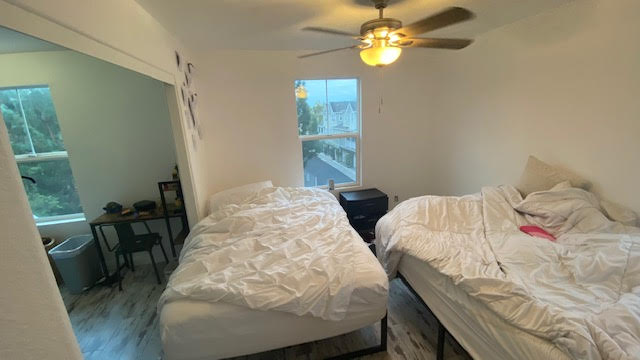
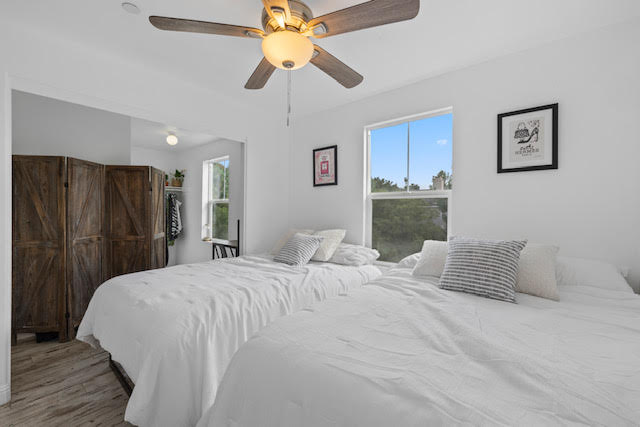
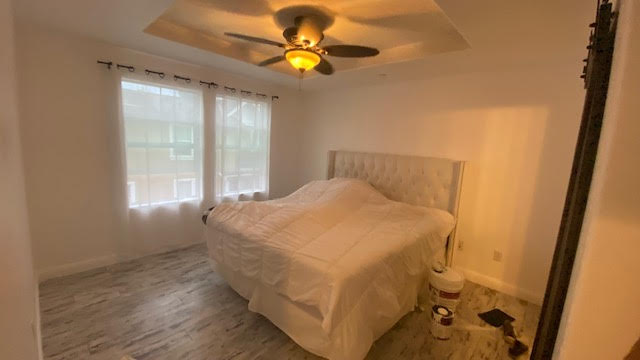
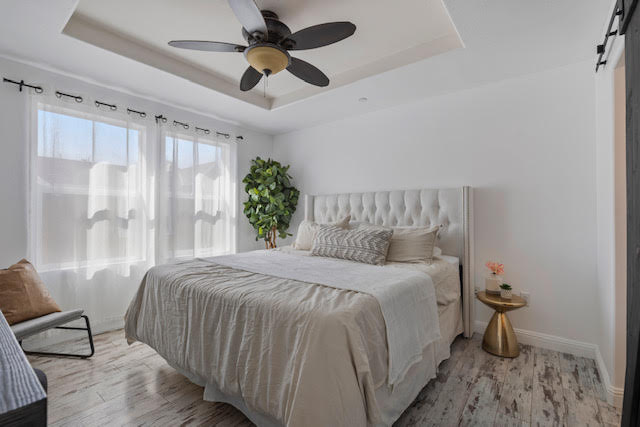
- You have too much furniture- Think about it, you have lived in your home for years and have accumulated so many things. A good example of this would be kitchen appliances. A coffee maker you leave on the counter all year long because it’s practical and a part of your daily routine. Most homeowners wouldn’t think to put it away or even declutter their cabinets in the kitchen. I always suggest to clients who are looking to list their house on the market to rent a pod and put all the items they don’t need immediately and can wait to be reunited with at their own home. Taking away more furniture and personal items.
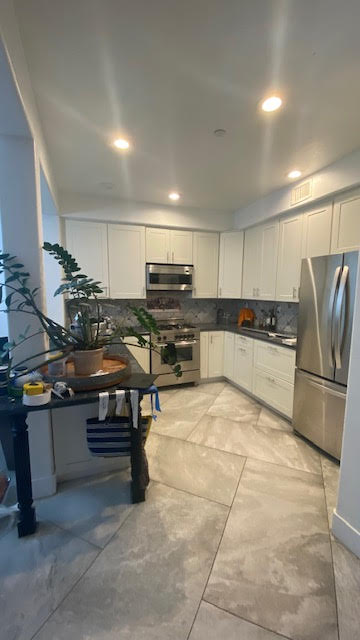
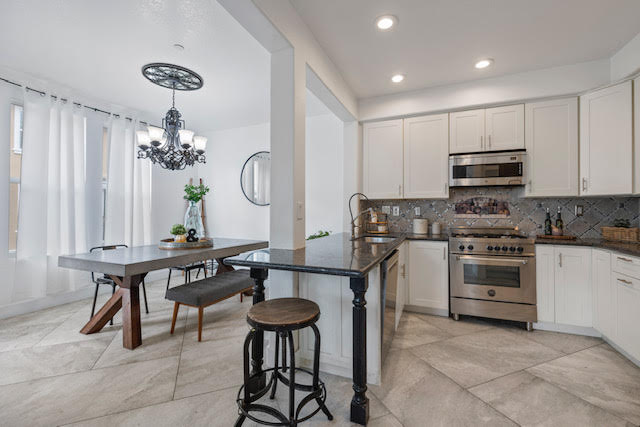
- Staging is different than living in a home- There is a difference between living in your house which is to suit your daily needs and activities/interests and the other is to sell your home! These different goals do not translate to one another and that is why it is always good to consult with a home stager. Wikipedia defines Staging as “the goal of staging is to make a home appealing to the highest number of potential buyers, thereby selling a property more swiftly and for more money. Staging techniques focus on improving a property’s appeal by insuring it is a welcoming, attractive product that any buyer can see himself/herself living in and, thus, desire to purchase.”
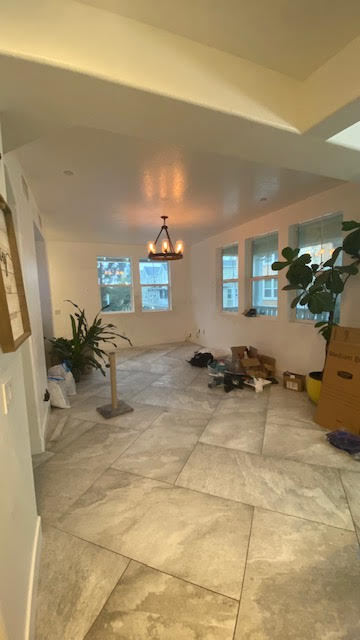
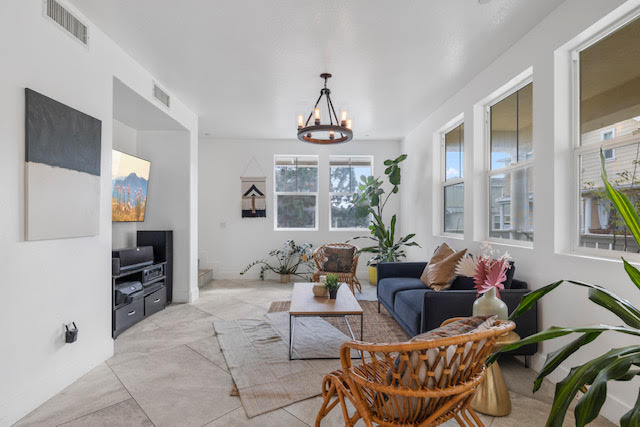
- Even the Best Interior Designers selling their home have a hard time staging their own house- I saw an episode of Million Dollar Listing, a house owned by an interior designer was listed for sale. When they were showing the house it was gorgeous but I also noticed how much stuff was on the walls and how much furniture in the rooms. It had a very specific taste and probably did not translate to a bigger buyer pool. The house was on and off the market many times and it made me think how even Interior Designers with the best taste can still not objectively look at their house. I am actually guilty of this myself! When I saw that episode, I went back to pictures of our home which we recently sold in Orange County. We couldn’t understand why people weren’t as interested in our home as much as we were. One of the big obstacles was the lower ceilings on the first floor, which we couldn’t change. The other was how I staged our living room. I left the sectional couch, which was very practically for our family of 5 but it kept the main living room closed off, which is not good when you’re staging a house.
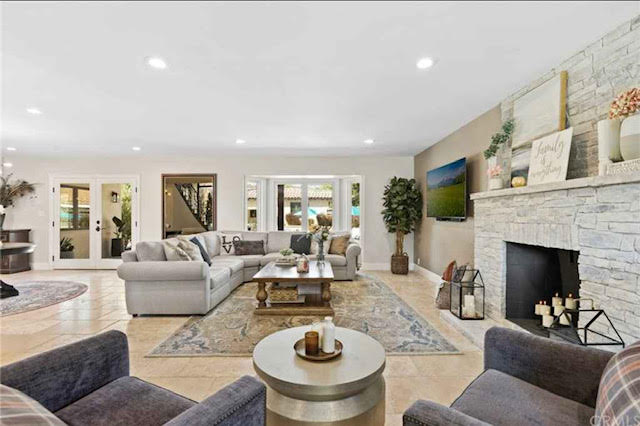
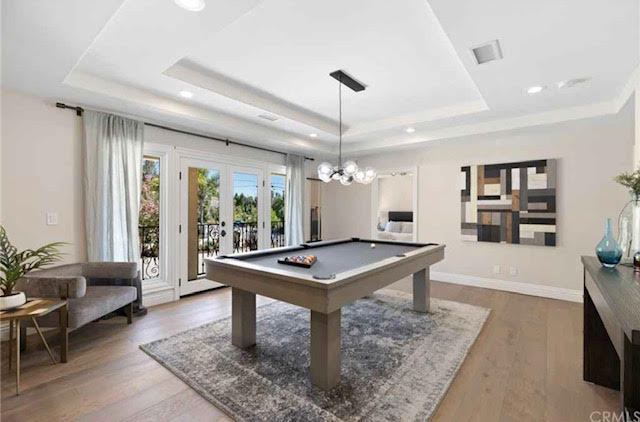

- Depersonalizing your home- When buyers walk into a house, the don’t want to feel like they are invading your home. This is why you need to hire someone who knows how to do Occupied Home Staging. Having personal items out like pictures of your family on the walls or on every surface of the home makes buyers focus on who is currently living in the home, do I know this family, rather than looking at the house. Buyers feel uncomfortable being in your space and in return they spend less time at the house. Buyers spend an average of 6 minutes in a home deciding if they want to see more or put in an offer. The longer someone spends in the home, the more likely they are contemplating their future in the house!
The post OCCUPIED HOME STAGING appeared first on Classy AF Interiors.
]]>Make Minor Repairs- Most homes have been lived in and some more “loved” than others. It is always a good idea to repair the minor flaws in the house whether is be chewed up baseboards from your dog, fixing hardware in the bathroom and kitchens, just about anything that has been on your “Saturday To Do List” that you have been meaning to get around to for the last year.
The post Here are 10 home staging tips to sell a home appeared first on Classy AF Interiors.
]]>5. Use Art to Add Visual Interest– Art is the best way to warm up a house and have fun with it! If you love abstract art or bright and colorful art, it is fun to play around.

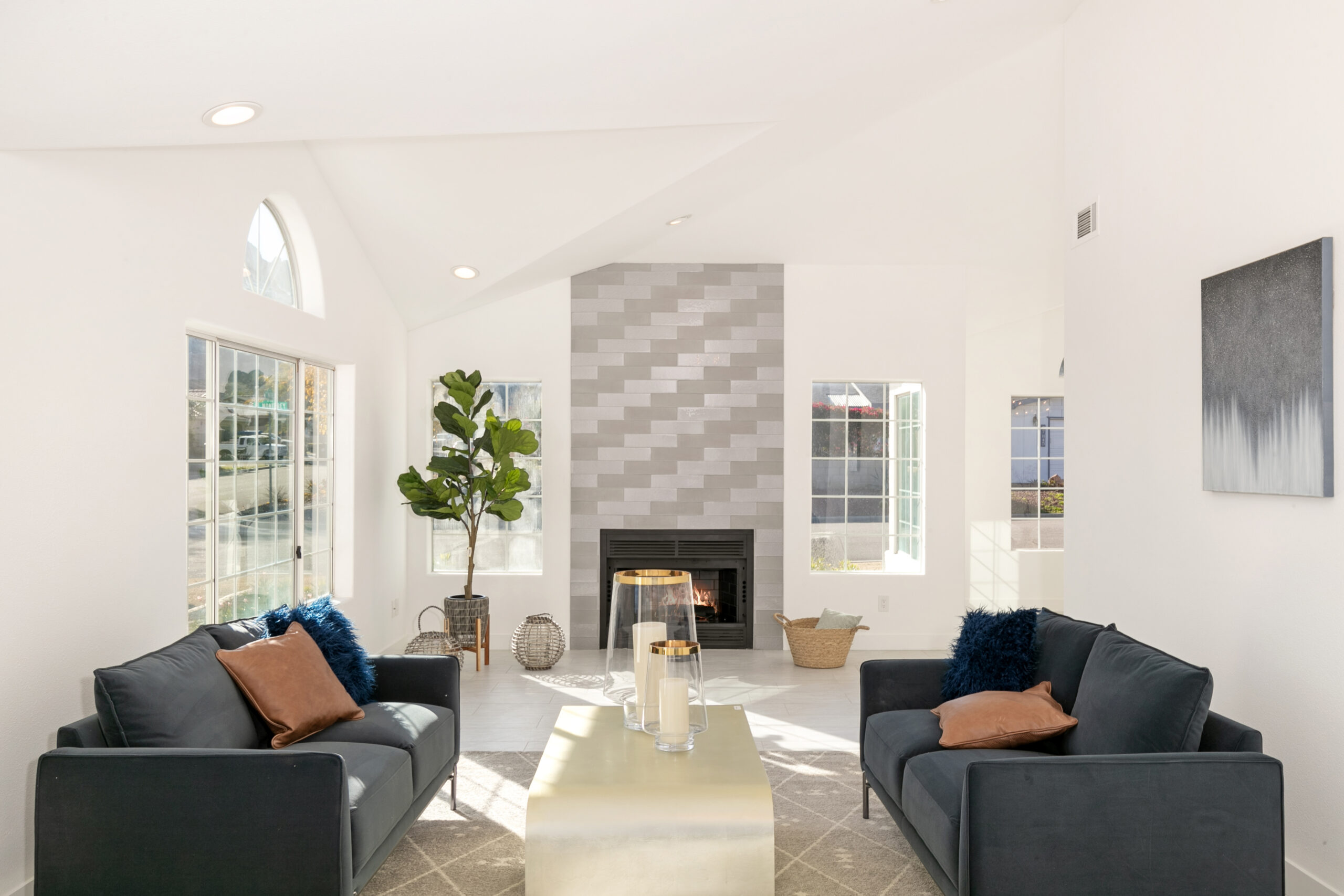
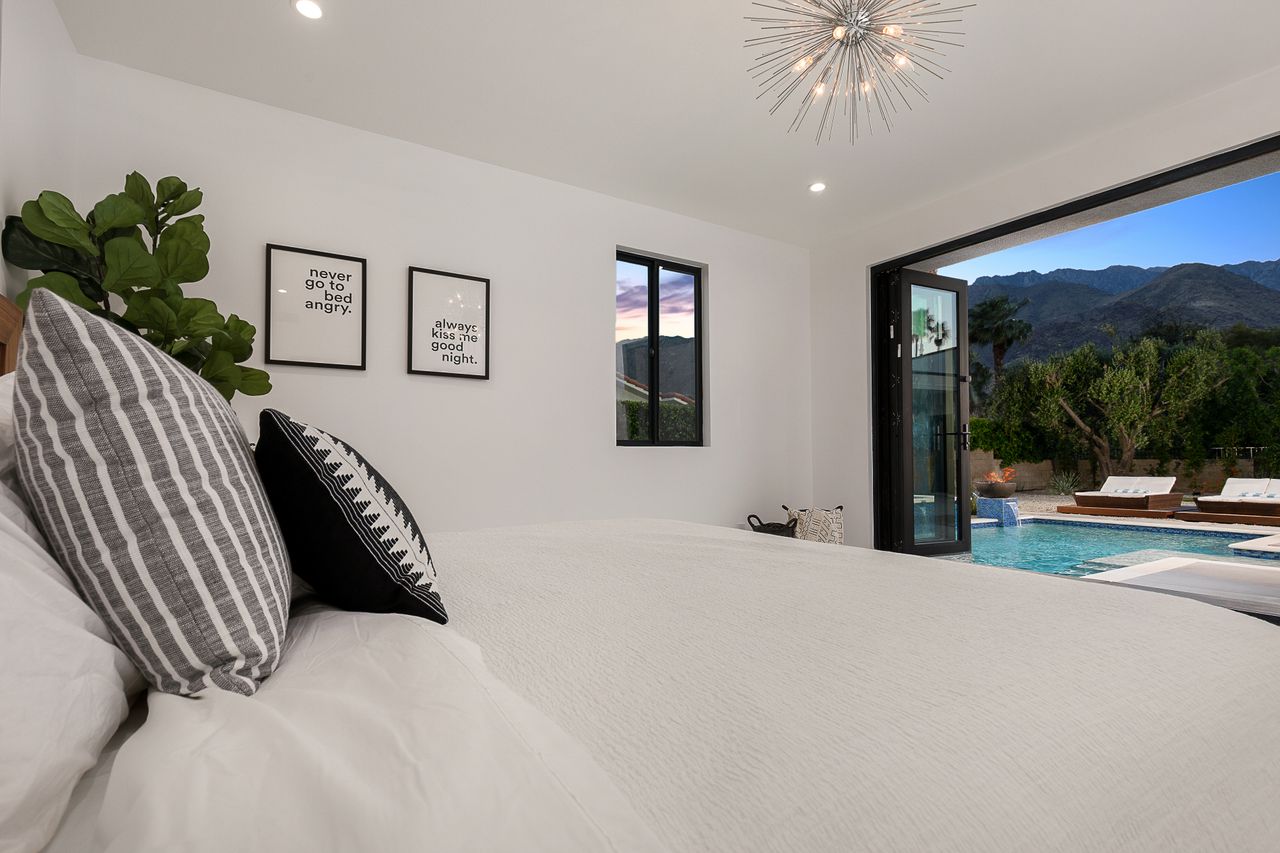
7. Add Personality with Accessories– Add greenery with faux trees and plants. Add color through art and pillow covers. By changing out your dated pillows with new beautiful and on trend pillows you instantly change the look of a living room or bedroom.



The post Here are 10 home staging tips to sell a home appeared first on Classy AF Interiors.
]]>