The post Who Is Cassie French? Inside Her Design Philosophy appeared first on Classy AF Interiors.
]]>Cassie operates at the intersection of luxury real estate and purposeful design in one of the most competitive markets in the country. Her conviction mirrors ours exactly: how a home looks directly determines how much it sells for. That’s not a theory she holds loosely. It’s the foundation of every listing she takes on. Based in Southern California and licensed with California DRE #02154751, she serves the Newport Beach and North Tustin markets through The Agency Orange County, a brokerage built for agents who take marketing and presentation seriously.
What follows is a full picture of who she is, what she’s sold, how she works, and why her approach produces results worth paying attention to.
From house flipper to Newport Beach luxury agent
The background that built her design instincts
Cassie French didn’t come up through traditional real estate. Before she ever represented a buyer or seller, she was working on houses herself, flipping properties and making design decisions under real budget pressure. That experience gave her something most agents never develop: a working fluency in what buyers actually respond to when they walk through a door. She learned to read a space quickly, prioritize the improvements that matter, and make visual decisions that maximize perceived value without overbuilding.
That foundation shapes everything she does now. When she walks into a seller’s home, she isn’t just thinking about comps and days on market. She’s thinking about sightlines, furniture scale, light, and the story the space tells before a buyer says a single word. That’s a skill set you build by doing, not by taking a licensing exam.
Her current home at The Agency Orange County
Today, Cassie is affiliated with The Agency Orange County, a brokerage with a reputation for marketing sophistication and strong luxury market positioning across Southern California. The Agency invests heavily in visual presentation, photography, and digital reach, which makes it a natural fit for an agent whose entire strategy is built around how a home shows. It’s not a coincidence that she landed there.
Her California real estate license (DRE #02154751) places her in the salesperson category, but that designation tells you almost nothing about her actual standing in the market. Her transaction history in Newport Beach and North Tustin does a much better job of that.
Cassie French’s staging-first selling strategy
Breaking down her 6-step listing process
Cassie French works with a structured, repeatable framework when she takes on a listing: market analysis, staging, professional photography, targeted property marketing, coordinated showings, and skilled negotiation through closing. Every agent will tell you they do these things. The difference is sequencing and emphasis. For Cassie, staging isn’t step two in a checklist. It’s the foundation that every other step is built on. Get it wrong, and professional photography documents a mediocre presentation. Get it right, and the photos do the selling before any buyer sets foot inside.
Skipping or shortcutting staging is like hiring a great photographer to shoot a poorly lit room. The tool can’t fix the problem upstream of it. Cassie’s approach treats this sequencing as non-negotiable, and her results reflect that discipline.
Why staging is non-negotiable at her price points
At the price levels where Cassie French operates, presentation isn’t one part of the marketing. It is the marketing. Buyers looking at multi-million dollar Newport Beach listings and North Tustin properties in the $2M-plus range make visceral decisions fast. A beautifully staged home at $3M creates urgency and competition. A poorly presented one at the same price loses ground before an offer is even discussed.
This connects directly to how buyers search. According to the National Association of Realtors, nearly all home searches now start online, which means photography is the first showing for virtually every buyer. If the photos don’t create an emotional response, many buyers never schedule a physical visit. Staging is what makes the photography work, and at luxury price points in a market like Southern California, there’s no version of success that doesn’t start with presentation.
Cassie French: a sales record that backs the philosophy
Newport Beach transactions worth noting
Cassie French’s recent sold history in Newport Beach reflects both the strength of the market and the execution required to perform at the top of it. Her most prominent recent sale is 1 San Sebastian, which closed in September 2025 at $9,395,000. A second Newport Beach transaction, 411 Tustin Avenue, closed in June 2025 at $3,200,000. These aren’t isolated wins. They represent consistent, high-value representation in one of California’s most sought-after coastal markets.
Newport Beach is not a forgiving market for agents who aren’t prepared. Buyers at this level are sophisticated, well-represented, and have options. Closing at these figures requires strong pricing strategy, genuine market knowledge, and a presentation that holds up against the best inventory available.
North Tustin and her broader Orange County footprint
Beyond Newport Beach, Cassie has built a meaningful track record in North Tustin, with closed sales including 9885 Deerhaven Drive at $2,375,000, and two properties on Circula Panorama at $2,200,000 and $2,140,000. North Tustin is a family-driven, high-demand market where buyers are highly specific about what they want and where they’ll stretch. In that environment, presentation is often what closes the gap between asking price and over-asking.
The range of her geographic footprint across Orange County, from coastal Newport Beach to inland North Tustin, signals real market depth. These aren’t adjacent neighborhoods. They serve different buyer profiles, different lifestyle priorities, and different negotiation dynamics. Performing well across both reflects adaptability and genuine market expertise.
Industry recognition: RealTrends 2026 verified agent
In 2026, Cassie French was named a RealTrends Verified Agent, ranking her in the top 1.5% of real estate professionals nationwide. RealTrends verification is third-party and data-driven, based on actual transaction volume and production numbers, not self-reported figures or peer nominations. For buyers and sellers evaluating who to work with, this kind of independent ranking is one of the clearest available signals of sustained, verifiable performance.
Where real estate expertise and design thinking meet
Cassie French home staging through Classy AF Interiors
Cassie French’s staging philosophy runs directly through Classy AF Interiors, the home staging and interior design studio that serves as the design backbone of her work across Southern California. The studio handles luxury staging for both vacant and occupied homes, interior design for investment properties and vacation rentals, and design support for house flips throughout Orange County, Los Angeles, and the broader SoCal corridor.
Staging packages range from $2,000 to $15,000 depending on room count and square footage, a structure built to serve different property types without compromising on visual impact. The studio’s work spans the full spectrum of client needs: sellers preparing a long-held family home, investors staging a flip for maximum buyer appeal, and rental owners designing for tenant quality and retention. The design decisions for each scenario are different, and so are the outcomes each client needs.
Why design literacy drives better real estate outcomes
Agents who understand visual presentation and stagers who understand how buyers make decisions are more effective than those who operate in separate lanes. The stage-then-sell pipeline works best when the same philosophy runs through both sides. At Classy AF Interiors, that’s the model: design thinking applied directly to real estate outcomes, woven into the strategy from the start rather than treated as an optional finishing step.
Southern California staging trends in 2026 are rewarding homes that feel warm, functional, and lifestyle-specific: warm neutrals over cool grays, organic modern materials, seamless indoor-outdoor flow, and clearly defined flexible spaces. Classy AF Interiors designs to these trends because they reflect what actual buyers are responding to right now in this market.
Social proof, client feedback, and how to reach her
On Zillow, Cassie French holds a 5.0 out of 5.0 rating with a “highly likely to recommend” designation. Client testimonials across her brokerage and personal platforms consistently highlight her communication style, market knowledge, and ability to guide sellers through what can otherwise be an overwhelming process. The consistency of this feedback across platforms reflects a practice built on referrals and repeat trust.
To connect with Cassie directly, reach her through The Agency Orange County or follow her at @cassiefrenchrealtor on Instagram, where she posts listing updates, design insights, and behind-the-scenes looks at her work across Newport Beach and North Tustin. Her content gives a clear, unfiltered sense of how she thinks about property presentation and what she looks for when she takes on a new listing.
For homeowners, sellers, or investors interested in staging or interior design services through Classy AF Interiors, the studio offers a free initial consultation to assess project scope and goals. It’s the fastest way to understand what professional staging actually looks like for your specific property before committing to anything. Get in touch with our team to schedule yours.
Why the Cassie French approach matters in this market
Cassie French represents the kind of real estate professional Southern California genuinely needs more of: someone who understands that selling a home is a design problem as much as a transaction. Her background in flipping, her staging-first listing strategy, her track record across Newport Beach and North Tustin, and her 2026 RealTrends recognition all point to an agent who has earned her standing in a market that doesn’t reward shortcuts.
At Classy AF Interiors, we believe the best outcomes for home sellers come when great agents and skilled design professionals work from the same playbook. If you’re a seller ready to move, an investor planning your next flip, or a homeowner curious about what thoughtful staging can do for a sale price, the philosophy Cassie operates from is the same one we’ve built this studio around: presentation is strategy, and strategy sells.
The post Who Is Cassie French? Inside Her Design Philosophy appeared first on Classy AF Interiors.
]]>The post 2026 Interior Design Trends That Can Help Sell Your Home for the Highest Price appeared first on Classy AF Interiors.
]]>In 2026, buyers are moving away from cold gray interiors, sterile white rooms and overly predictable furniture. They want homes that feel warm, luxurious, natural and thoughtfully designed. Zillow research has also connected organic-modern features—such as natural stone, white oak and Venetian plaster—with stronger sale premiums in certain homes.
Here are the 2026 interior design trends that can help your property stand out and potentially sell for the highest price.
1. Creamy Paint Colors Are Replacing Stark White and Gray
Cool gray walls have officially had their moment. In 2026, warmer creamy whites, soft beiges and subtle mushroom tones are creating interiors that feel more inviting and expensive.
Some of my favorite paint colors include:
- Sherwin-Williams Alabaster
- Sherwin-Williams Creamy
- Sherwin-Williams Natural Choice
- Sherwin-Williams White Sesame
- Benjamin Moore Swiss Coffee
These colors work beautifully because they reflect natural light without making the home feel cold or unfinished. They also complement white oak, walnut, limestone, marble and warm metals such as brass or champagne bronze.
When selling, I recommend using one primary creamy neutral throughout the main living areas. This creates continuity, makes the home appear larger and gives buyers a polished backdrop where they can imagine their own furniture.
2. Curved Furniture Creates a Softer, More Luxurious Interior
Furniture is becoming more sculptural in 2026. Rounded sofas, kidney-shaped chairs, irregular coffee tables and curved consoles are replacing rooms filled with harsh angles.
Retailers such as CB2, RH, Lulu and Georgia, Arhaus, Soho Home, Article and Four Hands offer furniture with distinctive shapes that can instantly elevate a room.
CB2, for example, describes its curved furniture as a way to introduce organic flow, while pieces such as its sculptural curved sofas show how furniture can function almost like artwork.
You do not need to fill an entire room with funky furniture. One curved sofa, rounded swivel chair, pedestal table or organic-shaped mirror can soften the space and make the home feel professionally designed.
For staging, this trend works especially well in:
- Large living rooms that need better conversation areas
- Rooms with several straight architectural lines
- Open floor plans that need visual separation
- Homes with contemporary or organic-modern architecture
The goal is to give buyers something memorable without making the house feel like a furniture showroom that got a little too excited.
3. Wall Paneling Is Adding Architectural Character
Flat drywall can make even an expensive house feel generic. Wall paneling adds depth, character and craftsmanship—qualities buyers often associate with custom construction.
Popular treatments for 2026 include:
- Natural wood slat walls
- White oak paneling
- Fluted wall details
- Traditional picture-frame molding
- Full-height paneling painted the same color as the walls
- Limewash and Venetian plaster feature walls
Paneling can be especially effective in an entry, dining room, primary bedroom, office or behind a television. In traditional homes, painted molding adds elegance. In contemporary homes, white oak or walnut paneling introduces warmth and texture.
The key is choosing a treatment that feels consistent with the home’s architecture. Random shiplap on every available wall is no longer the assignment.
4. Natural Stone Is Becoming the Artwork
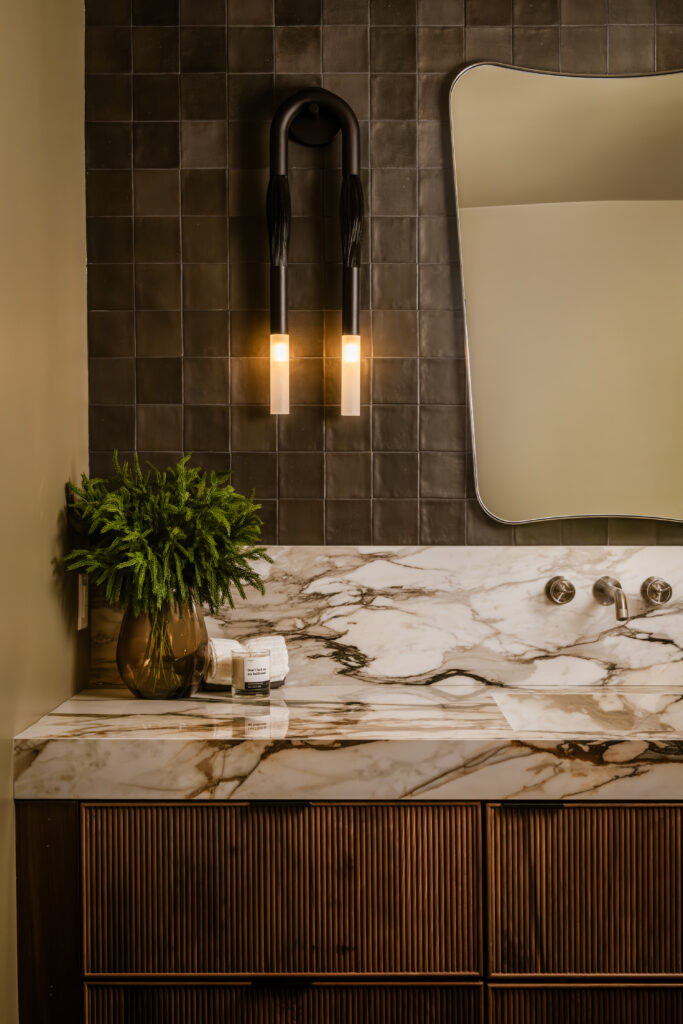
Natural materials are one of the strongest interior design themes of 2026. Limestone, marble, quartzite, travertine and other richly textured stones create a sense of permanence that manufactured finishes often cannot replicate.
Rather than using stone only for countertops, designers are incorporating it into:
- Floor-to-ceiling fireplaces
- Range hoods
- Kitchen backsplashes
- Waterfall islands
- Bathroom walls
- Floating vanities
- Built-in shelving
- Statement tables and lighting
Quartzite remains an excellent option for kitchens because it offers the movement and luxury of natural stone while generally being more durable than marble. Taj Mahal quartzite is especially popular because its creamy coloring and warm veining work beautifully with white oak cabinetry and soft neutral paint.
Natural stone does not need to be perfectly uniform. The veining, tonal variation and small imperfections are precisely what make it feel authentic and luxurious.
5. Exterior Materials Are Continuing Inside the Home
One of my favorite 2026 design details is carrying an exterior material through the interior of the house.
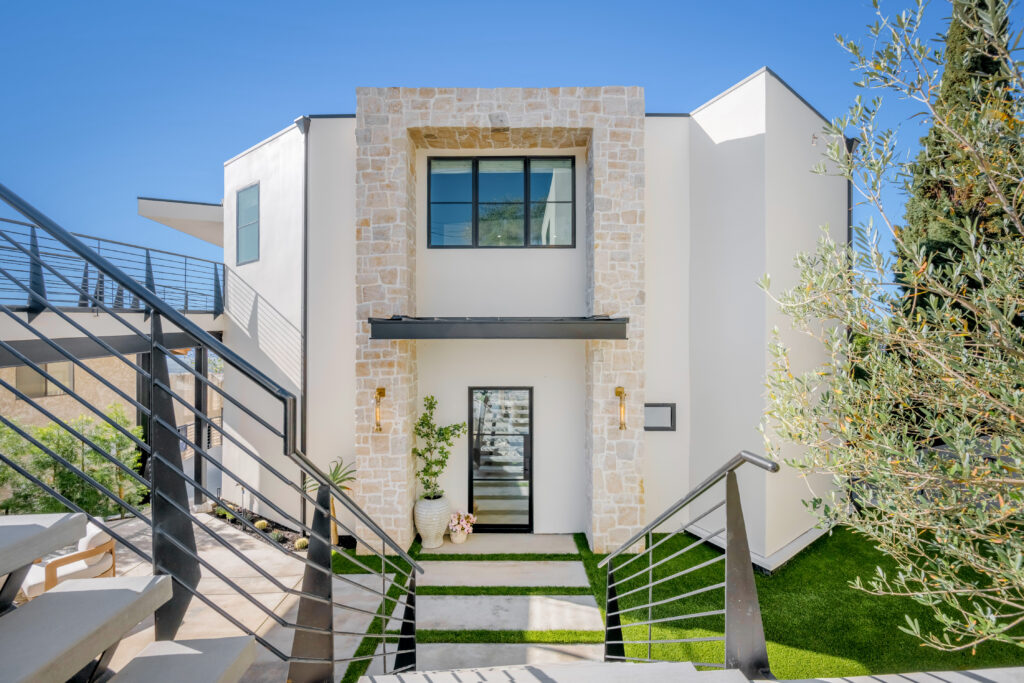
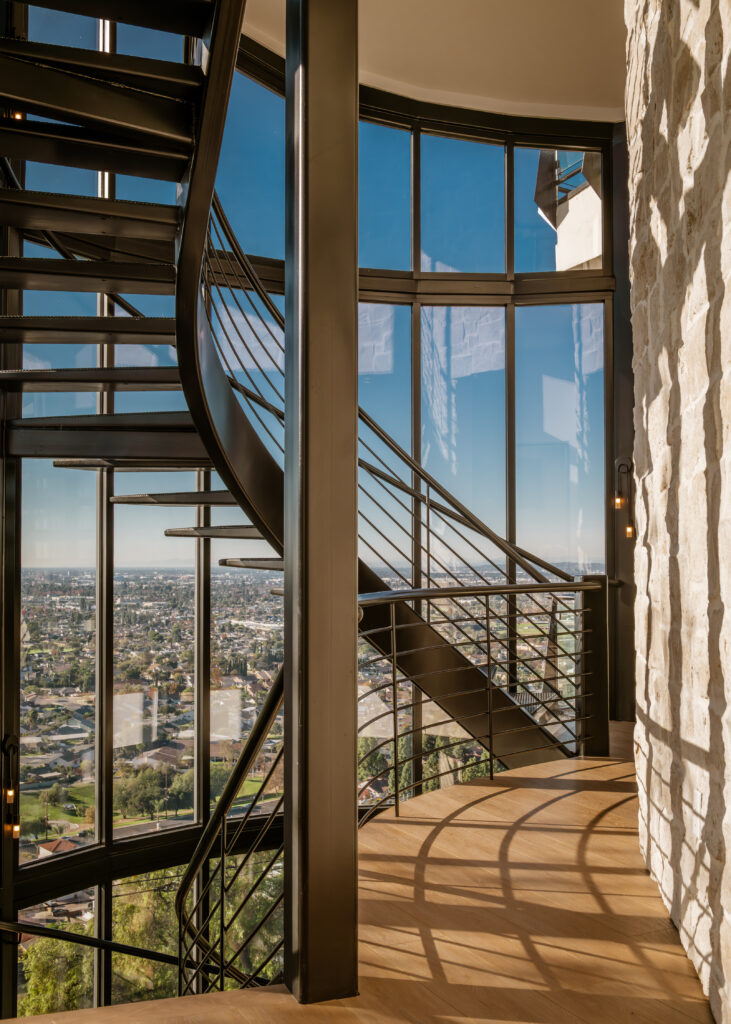
Imagine a limestone wall beginning at the front entry, continuing through a wall of glass and becoming an interior living-room feature. This creates a powerful indoor-outdoor connection while making the home feel intentionally designed from the very beginning.
Materials that work especially well for this include:
- Limestone
- Travertine
- Natural ledgestone
- Brick
- Smooth stucco or plaster
- White oak
- Board-formed concrete
This technique is particularly effective in Southern California, where buyers value indoor-outdoor living. Continuing the same stone across both spaces visually expands the home and gives it the feeling of a luxury resort.
For maximum impact, pair the material with oversized glass doors, coordinated flooring and landscaping that complements the interior color palette.
6. Warm Minimalism Is Replacing Cold Minimalism
Buyers still appreciate clean, uncluttered homes—but they no longer want them to feel empty or sterile.
Warm minimalism combines simple architecture with layered textures and natural finishes. Instead of decorating with dozens of accessories, use fewer pieces that have stronger shape, scale and materiality.
Think:
- Creamy walls
- White oak cabinetry
- Linen upholstery
- Walnut accent furniture
- Wool rugs
- Handmade ceramics
- Limestone or travertine tables
- Oversized sculptural lighting
The result feels calm and sophisticated while still having personality. This balance is ideal when selling because it photographs beautifully without becoming so specific that buyers cannot picture themselves living there.
7. Statement Lighting Is the Jewelry of the Home
Lighting is one of the fastest ways to change how buyers perceive a property. Small builder-grade fixtures can make a remodeled home feel unfinished, while appropriately scaled lighting can make the same room feel substantially more luxurious.
In 2026, look for:
- Oversized plaster chandeliers
- Sculptural pendants
- Alabaster lighting
- Aged brass finishes
- Linen and woven shades
- Murano-inspired glass
- Organic and asymmetrical forms
Always consider scale. A large kitchen island generally needs larger pendants than most homeowners expect, and a dramatic dining room should have a fixture substantial enough to anchor the table.
Use warm bulbs throughout the home and make sure every bulb has a consistent color temperature. Mixed lighting temperatures are a tiny detail buyers may not consciously identify, but they can make professional listing photos look surprisingly chaotic.
8. Buyers Want Homes That Feel Collected, Not Copied
Perfectly matching furniture sets are being replaced by more layered interiors. A home should feel thoughtfully collected rather than purchased from one showroom in a single afternoon.
Mixing a curved contemporary sofa with vintage wood furniture, natural stone, handmade accessories and original artwork creates more depth and personality. This approach can make even a newer home feel established and distinctive.
However, when preparing a home for sale, personality should be carefully edited. The design needs enough character to be memorable without becoming so personal that buyers are distracted by the décor.
How to Use 2026 Design Trends Without Over-Improving
Not every trend will produce the same return in every property. Before renovating, consider the home’s location, architecture, price range and likely buyer.
If you are preparing to sell, prioritize the changes buyers will notice immediately:
- Update dated paint with a warm, creamy neutral.
- Replace undersized or builder-grade lighting.
- Improve the main living room with correctly scaled furniture.
- Introduce one or two curved or sculptural pieces.
- Upgrade the fireplace, kitchen or primary bathroom with natural materials.
- Create stronger visual continuity between the interior and exterior.
- Professionally style and stage the completed spaces.
A beautiful renovation can add value, but the most successful improvements are strategic. Spending more money does not automatically produce a higher sale price. The selections need to appeal to the home’s likely buyer and photograph well enough to create excitement before that buyer ever walks through the door.
Design Is Part of the Selling Strategy
The homes that achieve the strongest results are rarely the ones with the most expensive finishes. They are the homes where every decision—from the paint color and furniture placement to the stone selection and marketing photography—works together to create an emotional response.
As both a real estate advisor and interior designer, I look at a property through the eyes of the future buyer. Before making improvements, we identify who that buyer is, what they value and which updates will create the greatest impact.
In 2026, warm creamy colors, curved furniture, architectural wall treatments and authentic natural materials are helping homes feel more luxurious, comfortable and connected to their surroundings. When these elements are used strategically, they do more than follow a trend—they help tell a story about the lifestyle a buyer could have in the home.
If you are considering selling your home, the design plan should begin long before the property reaches the market. The right pre-listing strategy can help you avoid unnecessary improvements, focus your budget where it matters and position your home to sell for the highest possible price.
The post 2026 Interior Design Trends That Can Help Sell Your Home for the Highest Price appeared first on Classy AF Interiors.
]]>The post What Does a Home Stager Do and Is It Worth It When Selling Your House? appeared first on Classy AF Interiors.
]]>Working With an Occupied Home
When you are still living in your home while it is listed on the market, a professional home stager will come in and do a full walkthrough to assess what is working and what is hurting your chances of selling. One of the first things they focus on is decluttering. Over time, we all accumulate belongings that feel normal to us but can make a home feel smaller, busier, and harder for buyers to connect with. A home stager helps you identify exactly what needs to go — whether that means moving items to the garage, putting things in storage, or simply editing down what is visible in each room.
Beyond decluttering, a home stager will also identify personal items that need to be removed before buyers walk through the door. Family photos, personal collections, and highly personalized decor can actually work against you because they make it harder for potential buyers to picture themselves living in the space. The goal is to create a neutral, welcoming environment that appeals to the widest possible audience.
A home stager will also rearrange your existing furniture to maximize the flow and feel of each room. Sometimes the way we live in a home is not the way it should be presented when selling. They may eliminate certain pieces of furniture that are making a room feel crowded and bring in one or two updated, contemporary pieces to freshen up the space. They will also add new artwork and accessories that feel current and stylish, giving your home a more polished, model-home look without a complete renovation.
Transforming a Vacant Home
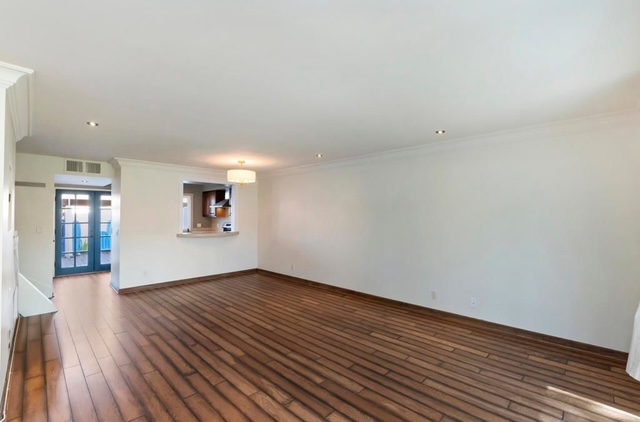
If your home is empty, home staging becomes even more powerful and the transformation is truly remarkable. An empty house can feel cold, echo-filled, and surprisingly small. Rooms without furniture are actually harder for buyers to connect with emotionally because they struggle to visualize how the space functions or how their own belongings would fit. A professional home stager walks into a vacant property and essentially brings it to life from scratch.
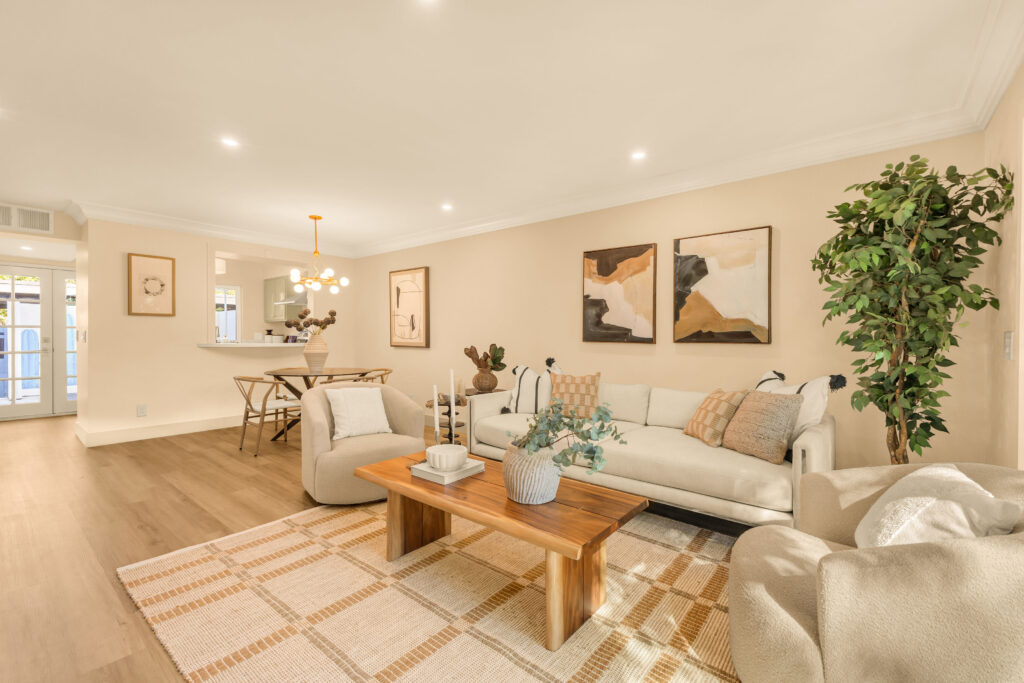
The difference between a vacant unstaged home and a professionally staged home is one of the most dramatic transformations in real estate. Buyers who walk into a beautifully staged vacant home often feel an immediate emotional reaction — the space feels inviting, livable, and aspirational. That emotional connection is exactly what drives strong offers and fast sales. Even if you did live in the home, you would likely not recognize it after a professional stager has worked their magic. They completely change the personality of the space, giving it a look and feel that resonates deeply with today’s buyers.
Why Home Staging Is Not Optional
Home staging is not just about making your house look pretty — it is a proven real estate strategy that directly impacts your bottom line. Staged homes sell faster, spend less time on the market, and consistently sell for more money than their unstaged counterparts. When you factor in that staging can potentially mean receiving anywhere from $10,000 to $500,000 more on your home sale depending on your market and price point, the cost of staging becomes one of the highest-return investments you can make as a seller.
When you are preparing to list your home, do not make the mistake of skipping the staging process. Whether your home is occupied or vacant, a professional home stager knows exactly how to position your property to make buyers fall in love the moment they walk through the door. In a competitive real estate market, that emotional connection is everything — and it could be worth far more than you ever imagined.
 Thinking about selling your home and want to know if staging is right for your situation? Reach out today and let’s talk about how to get you the highest possible price for your home.
The post What Does a Home Stager Do and Is It Worth It When Selling Your House? appeared first on Classy AF Interiors.
]]>The post Is Home Staging Really Worth The Cost? appeared first on Classy AF Interiors.
]]>But here’s the truth: home staging is absolutely worth it, and it’s one of the smartest investments you can make before listing your property. In fact, when sellers ask me what the best return-on-investment improvements are before going to market, my answer is always the same: home staging and paint. These are two of the most affordable changes you can make that consistently deliver the biggest impact — not only on how quickly your home sells, but on how much buyers are willing to pay.
Home staging works because it helps buyers emotionally connect. And emotion is what drives offers.
Home Staging Isn’t About Decorating — It’s About Selling
A lot of homeowners assume staging is the same thing as interior design. It’s not. Interior design is personal. Staging is strategic. When we stage a home, we aren’t trying to show off someone’s style — we’re trying to make the home feel like the buyer’s future.
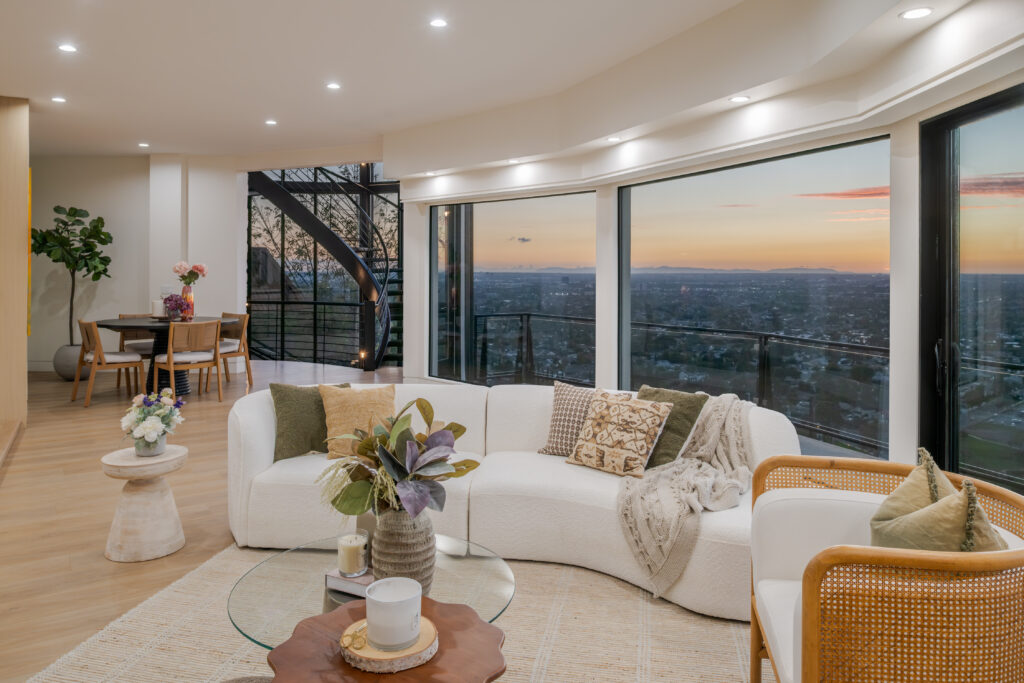
The goal is to create a space that feels warm, inviting, and easy to imagine living in. Staging highlights the home’s best features, improves flow, and makes each room feel purposeful. It removes distractions and helps buyers focus on what they actually want: space, comfort, and lifestyle.
And lifestyle is the key word here. Buyers aren’t just buying square footage. They’re buying what they think their life will look like in that home. That’s why staging matters so much. A staged home doesn’t just show better — it feels better.
Why Paint and Staging Are the Highest ROI Moves You Can Make
If you want a home to sell for top dollar, it needs to look clean, fresh, and move-in ready. The fastest way to do that is with paint. Paint instantly modernizes a space, brightens rooms, and gives buyers that “this feels new” feeling without a full renovation. It also helps eliminate visual distractions like bold colors, dated tones, or mismatched walls that make a home feel chopped up.
Staging works alongside paint because it gives the home the right personality. When the walls are fresh and the furniture is placed correctly, the entire home feels bigger, brighter, and more elevated. Even if nothing major was remodeled, the home suddenly looks like it belongs in today’s market.
And today’s market is visual. Buyers shop online first. If your home doesn’t look incredible in photos, they may never come see it in person — even if it’s the perfect home for them. Staging is one of the biggest factors in creating that “wow” factor online that gets buyers through the door.
Staging Matters Whether the Home is Occupied or Vacant
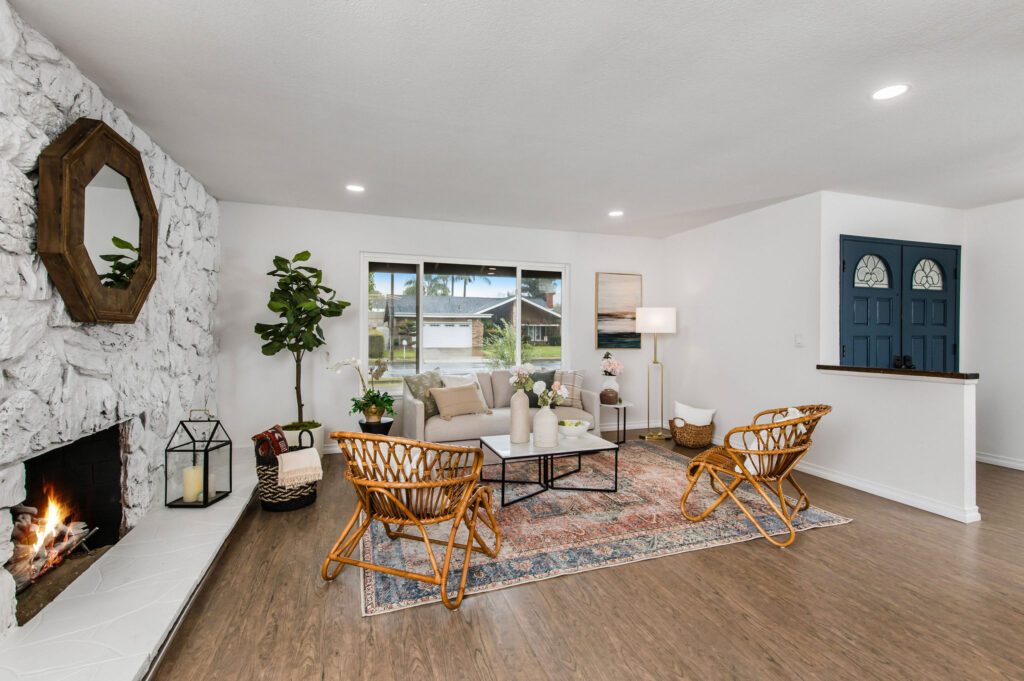
One of the biggest misconceptions about staging is that it’s only for vacant homes. In reality, staging is just as important — sometimes even more important — when the home is occupied.
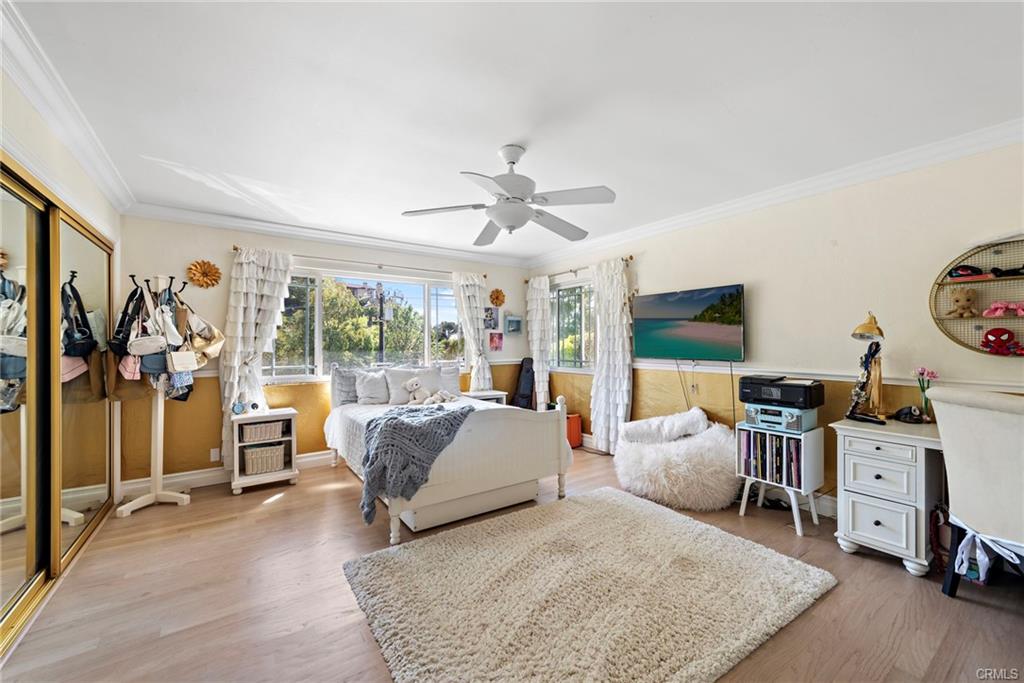
When sellers are living in the home, the staging process usually starts with decluttering and simplifying. The goal isn’t to make the home look empty. It’s to make it feel open and calm. Most homes simply have too much furniture, too many personal items, and too many things competing for attention. When we remove excess, adjust furniture placement, and add the right accessories, the home immediately feels larger and more inviting. Buyers can walk through easily, see the layout clearly, and picture their own life there.
For vacant homes, staging is essential because empty rooms can feel cold and confusing. Buyers often struggle to understand scale and purpose when a home is completely empty. They’ll walk into a large living room and ask, “Where would the couch go?” or “How would I arrange this?” Staging answers those questions instantly. It gives the home warmth, definition, and flow — and it makes the property feel like a home, not just an empty building.
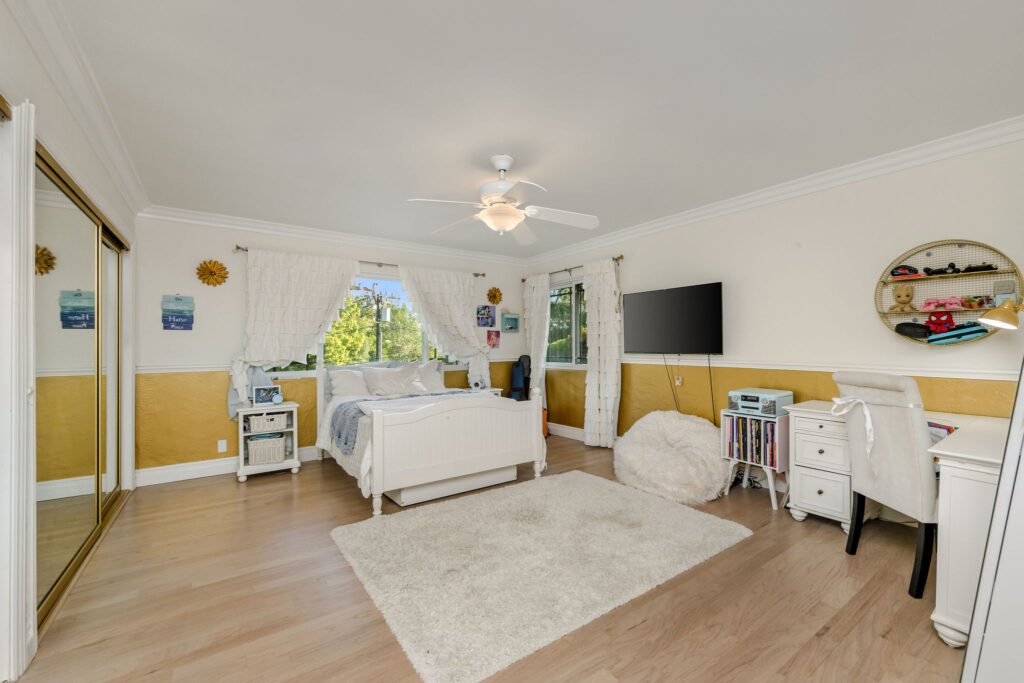
The Real Reason Staging Works: It Creates Emotional Demand
Here’s what most sellers don’t realize: buyers make decisions quickly. The first impression happens the second they walk through the front door — and sometimes even before that, when they see the listing photos online.
When a home is staged properly, buyers feel something. They feel comfort. They feel excitement. They feel like the home has been cared for. They imagine hosting friends, having coffee in the kitchen, relaxing in the living room, and waking up in the primary bedroom. That emotional connection is what drives strong offers, multiple offers, and buyers who are willing to pay more.
When a home is not staged — or it’s cluttered, dark, or poorly laid out — buyers don’t feel that connection. Instead, they start mentally subtracting value. They start noticing flaws. They start imagining how much work it will take. And that’s when you get low offers, longer days on market, and buyers who feel empowered to negotiate.
Staging shifts the power back to the seller.
So… Is Home Staging Worth the Cost? Absolutely.
Home staging is one of the best investments you can make before selling your home because it improves how the home looks, how it feels, and how buyers respond emotionally. It helps your home stand out online, it creates a lifestyle buyers want, and it positions the property to sell faster and for more money.
If you’re planning to sell and want to know what improvements are actually worth doing — and what to skip — that’s exactly what I help my clients with. The goal is never to overspend. The goal is to spend wisely, create the strongest presentation possible, and maximize your return.
Because at the end of the day, we aren’t just selling a house.
We’re selling a lifestyle — and staging is what makes buyers fall in love.
The post Is Home Staging Really Worth The Cost? appeared first on Classy AF Interiors.
]]>The post Occupied vs. Vacant Home Staging: Why Staging is Essential for Every Home Seller appeared first on Classy AF Interiors.
]]>
The post Occupied vs. Vacant Home Staging: Why Staging is Essential for Every Home Seller appeared first on Classy AF Interiors.
]]>The post Common Renovation Mistakes to Avoid When Selling Your Home appeared first on Classy AF Interiors.
]]>
The post Common Renovation Mistakes to Avoid When Selling Your Home appeared first on Classy AF Interiors.
]]>